Covid-19 Inquiry
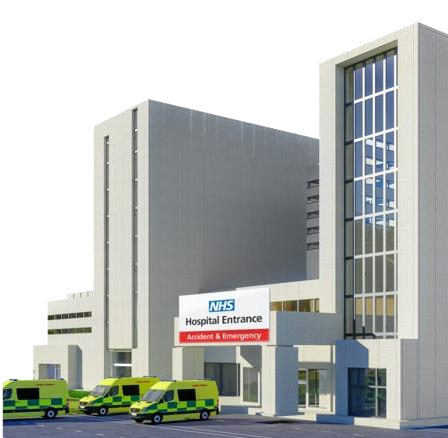
Module 3: healthcare
Report and Recommendations
Ynglŷn â Covid-19

Mae Covid-19 yn firws.
Ymddangosodd yn sydyn yn y DU yn 2020. Lledaenodd yn gyflym iawn.

Aeth pobl ar draws y byd yn sâl. Bu farw llawer o bobl. Golygai hyn ei fod yn cael ei alw yn a pandemig.
Roedd rhaid i 4 llywodraeth y DU wneud penderfyniadau mawr ynglŷn â sut i amddiffyn pobl.

- Llywodraeth y DU
- Llywodraeth Cymru
- Llywodraeth yr Alban
- Gweithrediaeth Gogledd Iwerddon
Ymchwiliad Covid-19

Mae'r Ymchwiliad yn darganfod beth ddigwyddodd yn ystod y pandemig.

Bydd hyn yn helpu pobl i wneud penderfyniadau gwell yn y dyfodol.
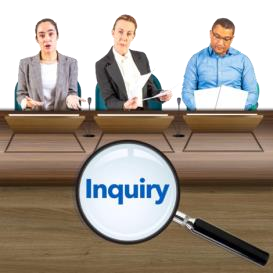
Mae'r Ymchwiliad wedi gwrandawiadau. At a hearing, we listen to people like politicians, doctors and scientists.

Ar ôl y gwrandawiadau, mae'r Cadeirydd, y Farwnes Hallett, yn cynhyrchu adroddiadau.

This Easy Read is about her report for Modiwl 3.
Am yr adroddiad hwn

This is an Easy Read version of the Covid-19 Inquiry’s 3rd report.
Mae llawer mwy o wybodaeth yn yr adroddiad llawn.

Mae mwy o fersiynau mewn fformatau ac ieithoedd hygyrch.

Gallwch gael yr holl adroddiadau o wefan yr Ymchwiliad:
Ofal Iechyd

This report is about how healthcare was affected by the pandemic.

Healthcare means the care and treatment that people got from, for example:

• Hospitals
• Ambulances
• NHS 111
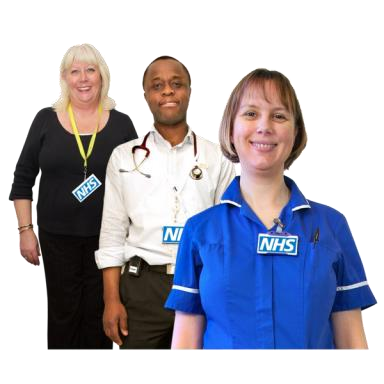
We found out what the pandemic was like for healthcare workers like doctors and nurses and patients.
Things we found out

We were not ready for a pandemic.
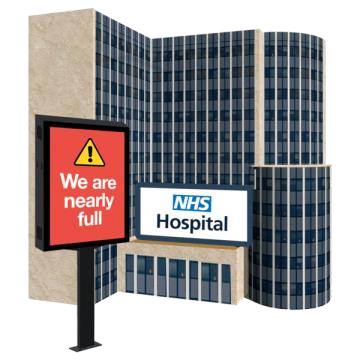
Healthcare organisations were already struggling.
The pandemic was devastating.
The Inquiry’s Chair, Baroness Hallett, said: “We coped, but only just.”
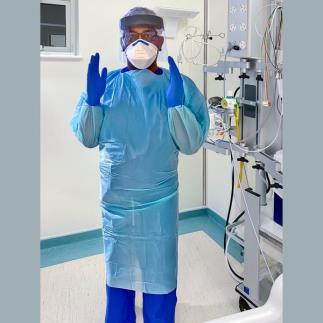
We only managed to cope because healthcare staff worked extremely hard.
Getting healthcare
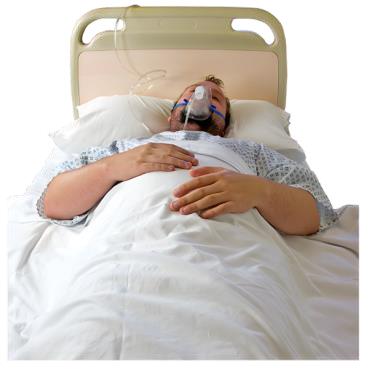
Some people did not get the health care they would normally get.
Some people were not in hospital when they needed to be.
Some people waited in ambulances for hours.
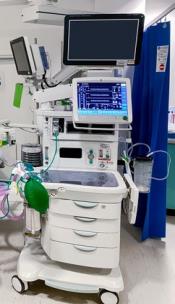
There was not enough staff or hospital equipment.
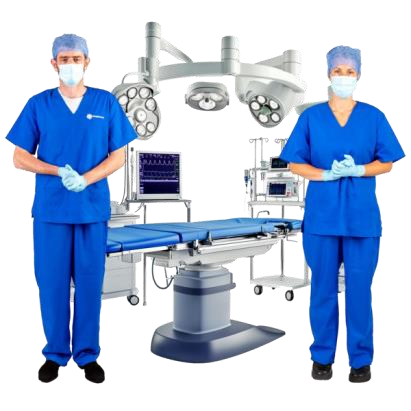
Millions of operations were cancelled, and serious illnesses were not found out or treated.
End of life plans
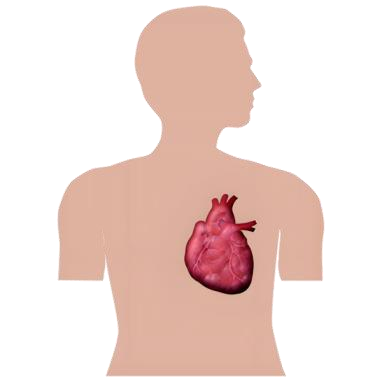
Sometimes, plans were made in advance to say that doctors should not try to restart someone’s heart if it stopped beating.
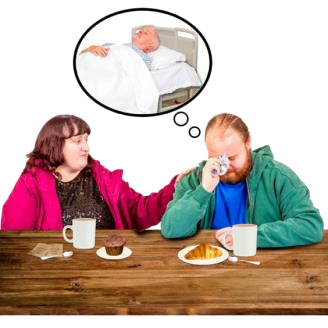
Some of these plans should not have been made.
Some families and carers found out about the plans after the person had died.
Healthcare workers

Healthcare staff had to work very hard for many months.
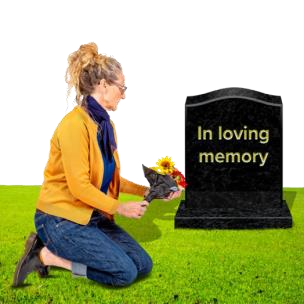
It affected their mental health.
Many healthcare workers died
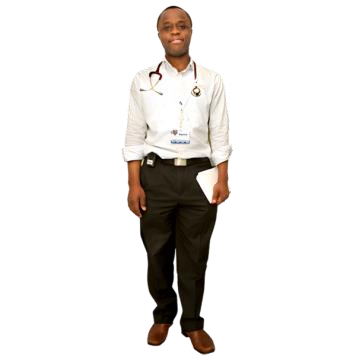
Many of the workers who died were ethnic minorities.
Ethnic means the culture or background you are from.
Minority means the size of a group of people is smaller than the total number of people in a country.
Planning healthcare
Hospitals need better plans about how to deal with a pandemic.

The plans need to be about making sure there are more beds, more equipment and more staff in a pandemic.
Stopping the virus
At the start of the pandemic, people did not know that the virus could spread through the air.
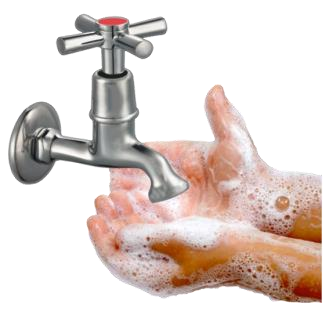
This meant that advice about how to avoid spreading the virus was not enough to stop it.
People with other illnesses
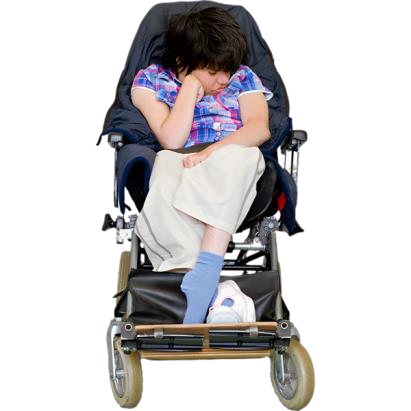
Some people were more at risk from Covid-19.

They had to stay at home, away from other people, called shielding.
Information about shielding was not good enough.
Rules about visiting people
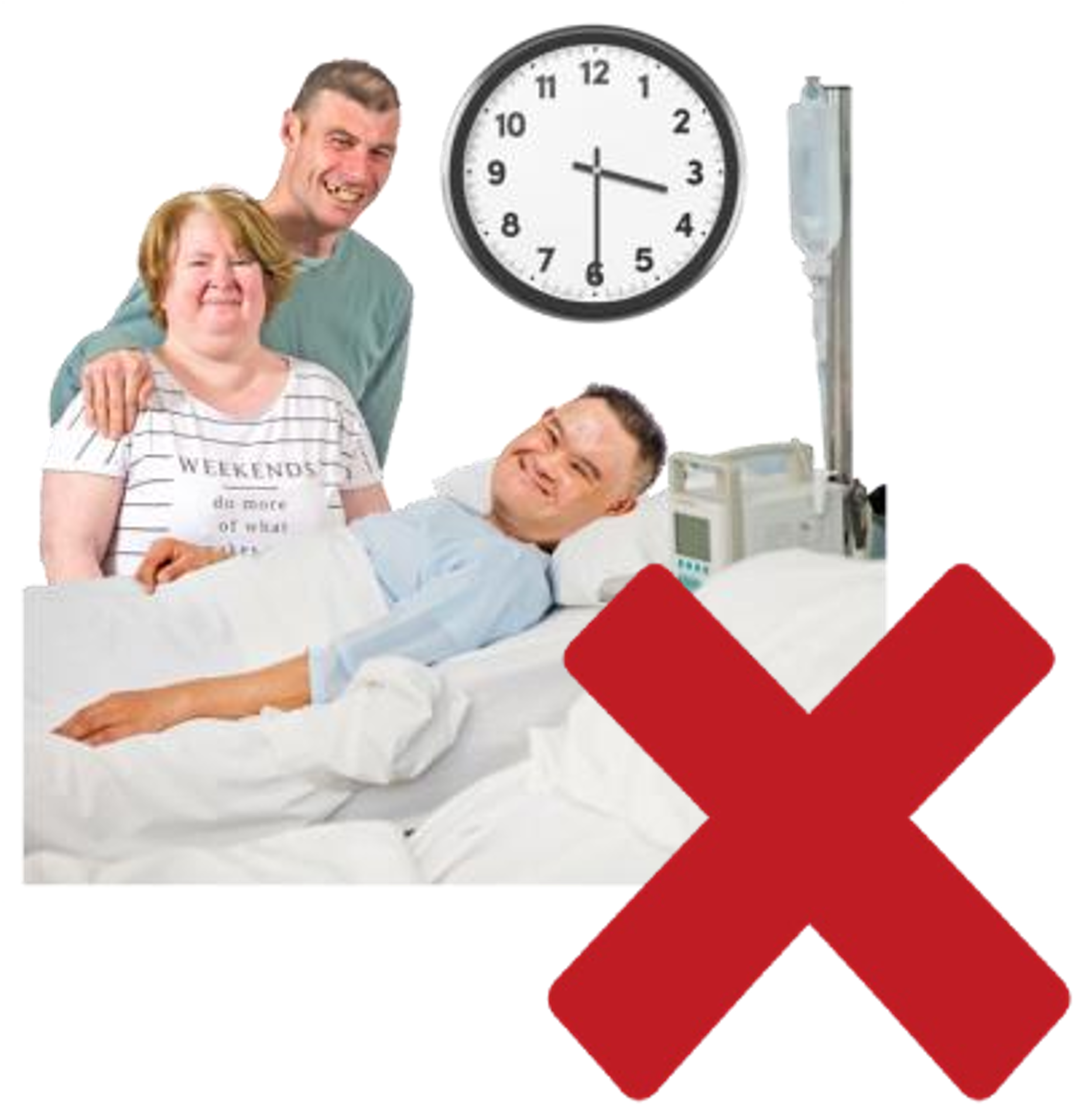
People were not allowed to visit friends and relatives in hospital.
Many people died alone.

This was extremely upsetting for everyone.
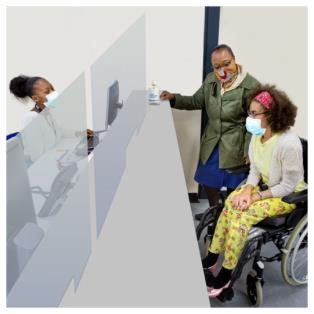
The rules also meant that people did not have the support they needed in medical appointments.

This included pregnant women, people with dementia, and people with learning disabilities.
111 services

People with Covid-19 symptoms were told to phone 111.
Lots of people used the service.

This meant it took a long time to get an answer. Some people gave up before their call was answered.
Covid hir

People who are still ill with Covid for a long time have ‘Long Covid’.
It took a long time for people to find out why they were so unwell.
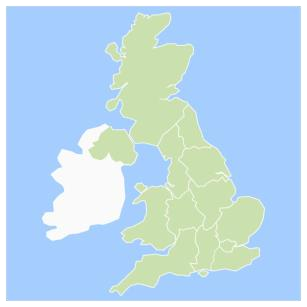
People in some parts of the UK still do not get good treatment for Long Covid.
Beth ddylai ddigwydd nesaf
Dyma bethau y mae'n rhaid i lywodraethau eu gwneud i amddiffyn pobl yn y dyfodol.
1. Emergency care
Make sure hospitals are ready to quickly treat a big number of people if there is another pandemic.

2. Trying to stop infections
Involve more people in making decisions about how to stop people getting ill.

3. Collect and use information
Collect information about who is most likely to become unwell in a pandemic.
Use the information to keep them safe.

Keep better records about the deaths of healthcare workers.
4. Planning people’s care
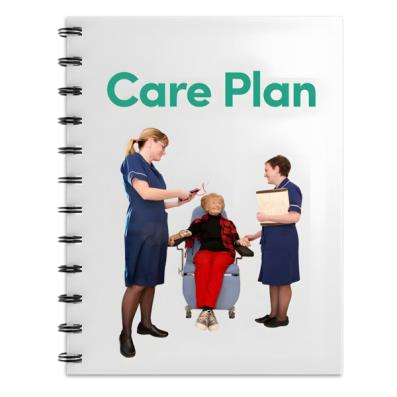
Involve people in planning their own care.
People should have a plan that says what they want to happen to them if they are very unwell.
5. Support healthcare workers
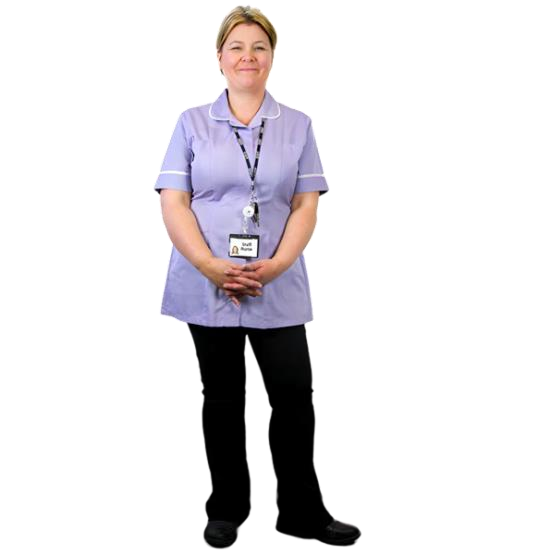
Healthcare staff are more likely to cope if they get good support.
They are also more likely to stay in their jobs.

6. Making decisions
Write guidance for decision-makers to follow in emergencies.
For example, if critical care wards can’t deal with the number of patients.
Critical care is for people who are very unwell.
What happens next
After every hearing Baroness Hallett writes her recommendations.

All these recommendations are designed to work well together and they should happen at the same time as the recommendations from the Inquiry’s 1st and 2nd report.

She listened to all the hearings then wrote the recommendations.
She expects that I gyd the recommendations will be done by the UK’s governments.

She will check to make sure this is happening.
Adroddiadau yn y dyfodol
Bydd mwy o adroddiadau am:
- brechlynnau a thriniaethau
- pethau a brynwyd – fel offer meddygol a meddalwedd
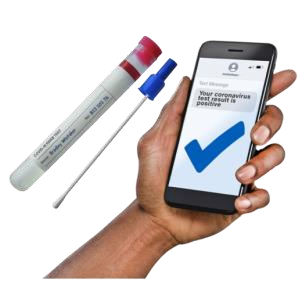
- profi, olrhain ac ynysu
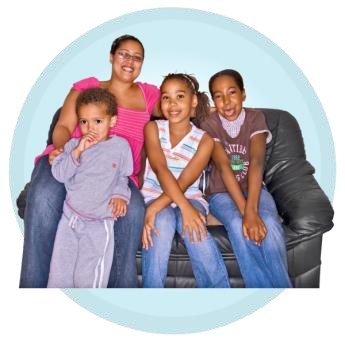
- gofal cymdeithasol
- plant a phobl ifanc

- how the governments in the UK spent money
- sut yr effeithiodd ar y boblogaeth gyfan
Darganfod mwy
If you want to find out more, please go to this website.

Diolch am ddarllen ein hadroddiad.