Covid-19 Inquiry

Module 3: healthcare
Report and Recommendations
O Covid-19

Covid-19 to wirus.
Pojawił się nagle w Wielkiej Brytanii w 2020 roku. Rozprzestrzenił się bardzo szybko.

Zachorowali ludzie na całym świecie. Wielu ludzi zginęło. Oznaczało to, że nazywano go a pandemia.
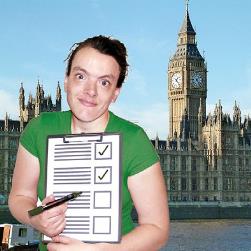
Rządy czterech państw Wielkiej Brytanii musiały podjąć ważne decyzje dotyczące sposobu ochrony obywateli.

- Rząd Wielkiej Brytanii
- Rząd walijski
- Rząd Szkocji
- Dyrektor Irlandii Północnej
The Covid-19 Inquiry

Śledztwo ma na celu ustalenie, co wydarzyło się podczas pandemii.

Pomoże to ludziom podejmować lepsze decyzje w przyszłości.

Śledztwo ma przesłuchania. At a hearing, we listen to people like politicians, doctors and scientists.

Po przesłuchaniach przewodnicząca, baronessa Hallett, sporządza sprawozdania.

This Easy Read is about her report for Moduł 3.
O tym raporcie

This is an Easy Read version of the Covid-19 Inquiry’s 3rd report.

Pełny raport zawiera znacznie więcej informacji.

Dostępnych jest więcej wersji w dostępnych formatach i językach.

Wszystkie raporty można uzyskać na stronie internetowej Inquiry:
Opieka zdrowotna

This report is about how healthcare was affected by the pandemic.

Healthcare means the care and treatment that people got from, for example:

• Hospitals
• Ambulances
• NHS 111

We found out what the pandemic was like for healthcare workers like doctors and nurses and patients.
Things we found out

We were not ready for a pandemic.
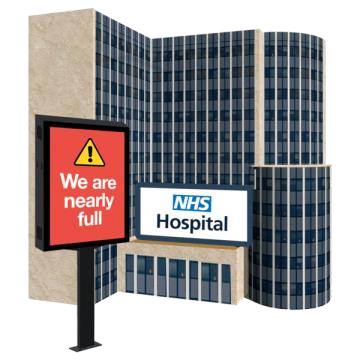
Healthcare organisations were already struggling.
The pandemic was devastating.
The Inquiry’s Chair, Baroness Hallett, said: “We coped, but only just.”
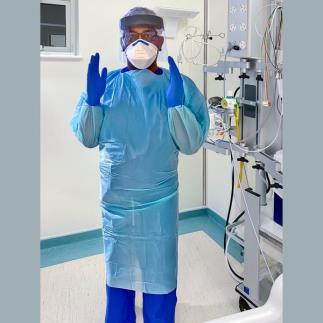
We only managed to cope because healthcare staff worked extremely hard.
Getting healthcare
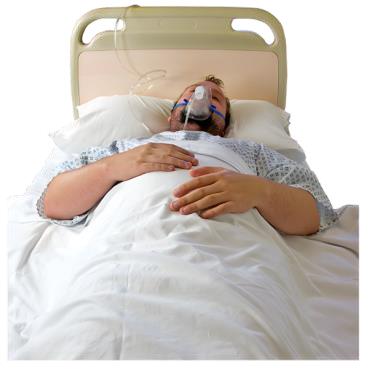
Some people did not get the health care they would normally get.
Some people were not in hospital when they needed to be.
Some people waited in ambulances for hours.
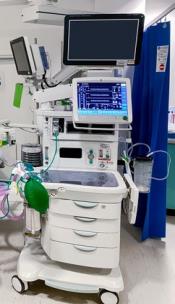
There was not enough staff or hospital equipment.
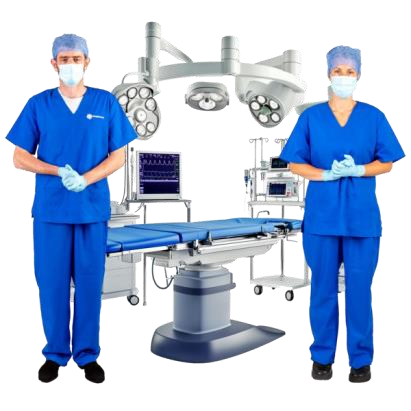
Millions of operations were cancelled, and serious illnesses were not found out or treated.
End of life plans
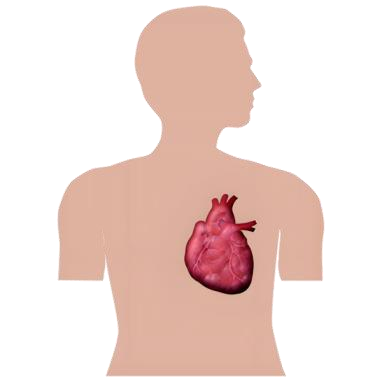
Sometimes, plans were made in advance to say that doctors should not try to restart someone’s heart if it stopped beating.
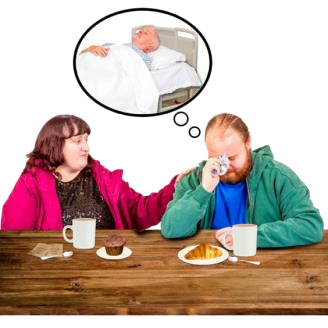
Some of these plans should not have been made.
Some families and carers found out about the plans after the person had died.
Healthcare workers

Healthcare staff had to work very hard for many months.
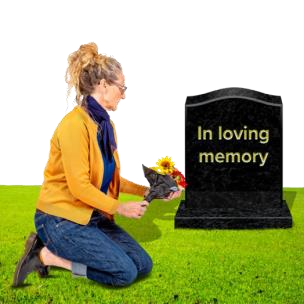
It affected their mental health.
Many healthcare workers died

Many of the workers who died were ethnic minorities.
Ethnic means the culture or background you are from.
Minority means the size of a group of people is smaller than the total number of people in a country.
Planning healthcare
Hospitals need better plans about how to deal with a pandemic.

The plans need to be about making sure there are more beds, more equipment and more staff in a pandemic.
Stopping the virus
At the start of the pandemic, people did not know that the virus could spread through the air.
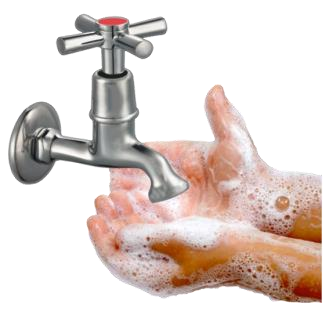
This meant that advice about how to avoid spreading the virus was not enough to stop it.
People with other illnesses
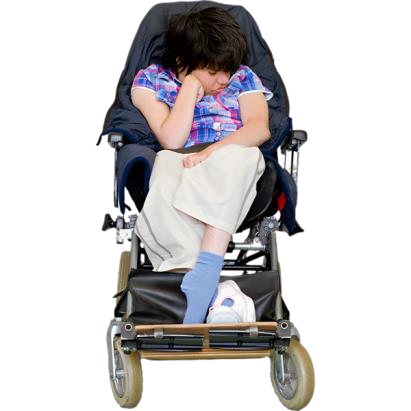
Some people were more at risk from Covid-19.

They had to stay at home, away from other people, called shielding.
Information about shielding was not good enough.
Rules about visiting people
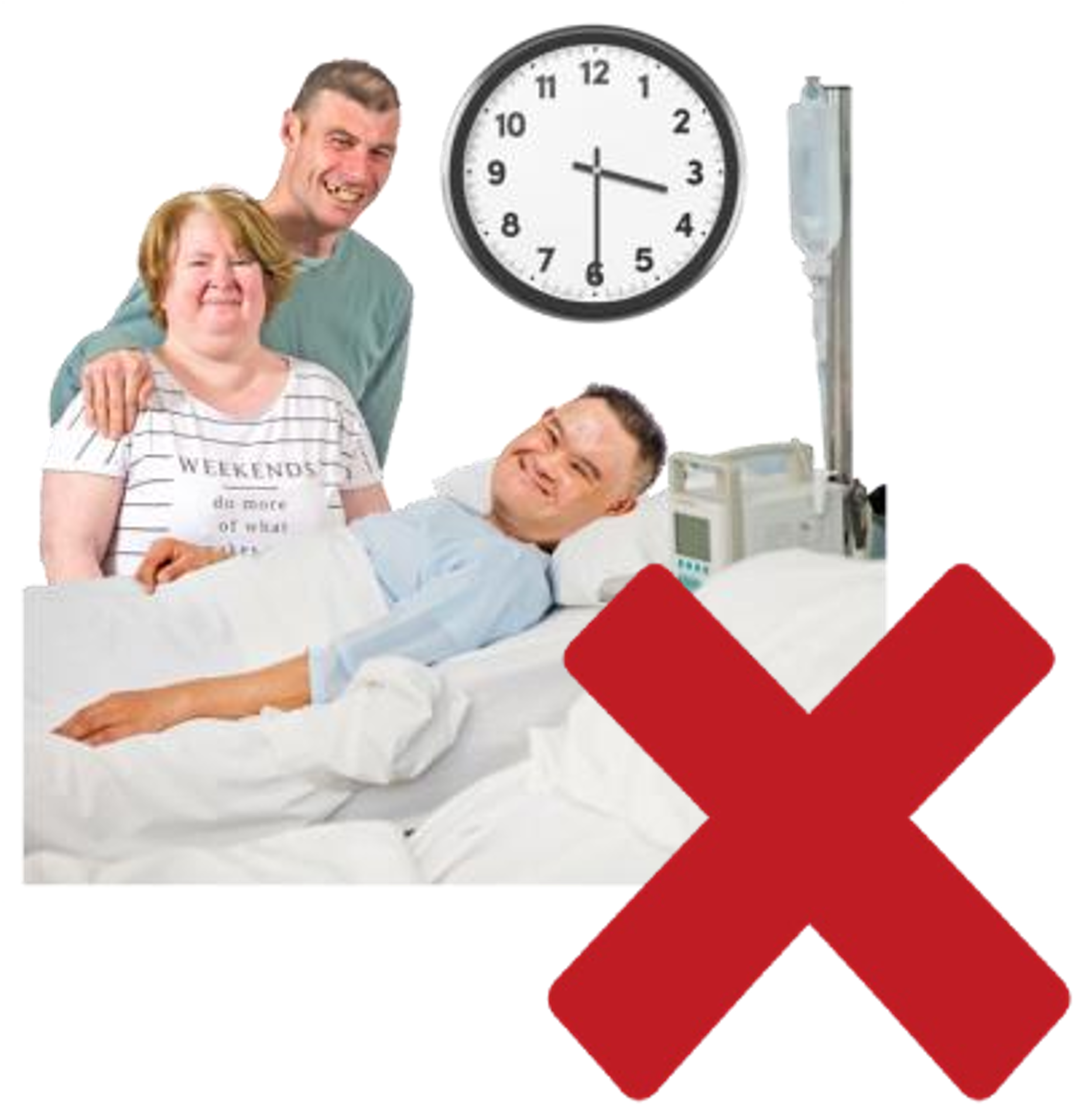
People were not allowed to visit friends and relatives in hospital.
Many people died alone.

This was extremely upsetting for everyone.
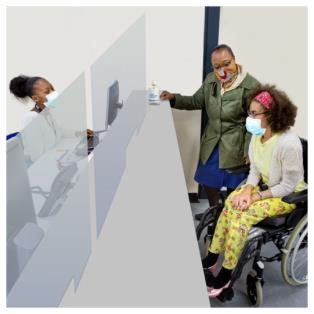
The rules also meant that people did not have the support they needed in medical appointments.

This included pregnant women, people with dementia, and people with learning disabilities.
111 services

People with Covid-19 symptoms were told to phone 111.
Lots of people used the service.

This meant it took a long time to get an answer. Some people gave up before their call was answered.
Długi Covid

People who are still ill with Covid for a long time have ‘Long Covid’.
It took a long time for people to find out why they were so unwell.
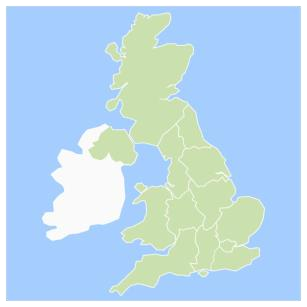
People in some parts of the UK still do not get good treatment for Long Covid.
Co powinno się wydarzyć dalej
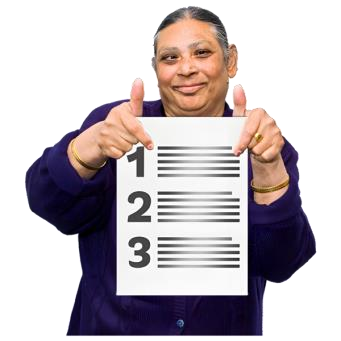
Oto działania, które rządy muszą podjąć, aby chronić ludzi w przyszłości.
1. Emergency care
Make sure hospitals are ready to quickly treat a big number of people if there is another pandemic.

2. Trying to stop infections
Involve more people in making decisions about how to stop people getting ill.

3. Collect and use information
Collect information about who is most likely to become unwell in a pandemic.
Use the information to keep them safe.

Keep better records about the deaths of healthcare workers.
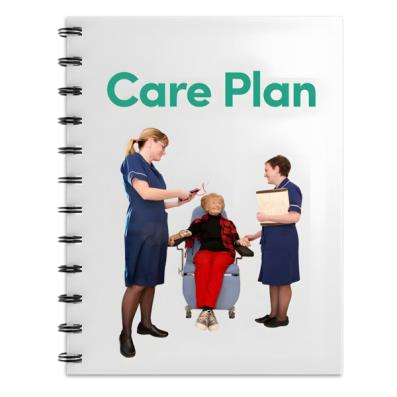
4. Planning people’s care
Involve people in planning their own care.
People should have a plan that says what they want to happen to them if they are very unwell.
5. Support healthcare workers
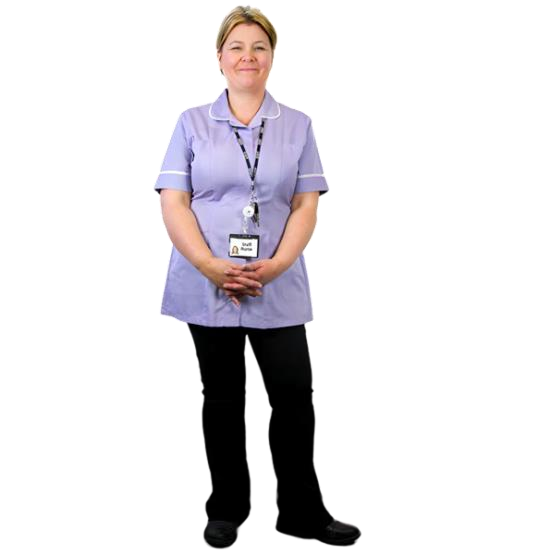
Healthcare staff are more likely to cope if they get good support.
They are also more likely to stay in their jobs.

6. Making decisions
Write guidance for decision-makers to follow in emergencies.
For example, if critical care wards can’t deal with the number of patients.
Critical care is for people who are very unwell.
What happens next
After every hearing Baroness Hallett writes her recommendations.

All these recommendations are designed to work well together and they should happen at the same time as the recommendations from the Inquiry’s 1st and 2nd report.

She listened to all the hearings then wrote the recommendations.
She expects that Wszystko the recommendations will be done by the UK’s governments.

She will check to make sure this is happening.
Przyszłe raporty
Będzie więcej relacji o:
- szczepionki i leczenie
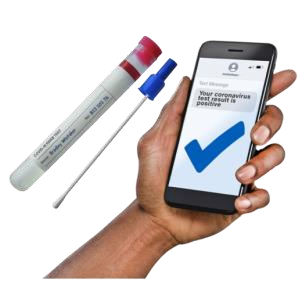
- rzeczy, które zostały kupione – takie jak sprzęt medyczny i oprogramowanie
- testować, śledzić i izolować
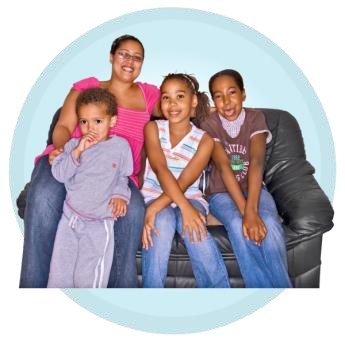
- opieka społeczna
- dzieci i młodzież

- how the governments in the UK spent money
- jak to wpłynęło na całą populację
Dowiedz się więcej
If you want to find out more, please go to this website.

Dziękujemy za przeczytanie naszego raportu.