
ਦ UK Covid-19 Inquiry ਕੋਵਿਡ-19 ਦੌਰਾਨ ਕੀ ਹੋਇਆ ਸੀ, ਇਸ ਬਾਰੇ ਪਤਾ ਲਗਾ ਰਿਹਾ ਹੈ ਸਰਬਵਿਆਪੀ ਮਹਾਂਮਾਰੀ.
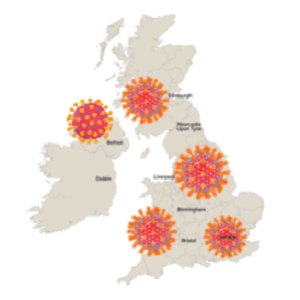
ਏ ਸਰਬਵਿਆਪੀ ਮਹਾਂਮਾਰੀ ਇਹ ਉਦੋਂ ਹੁੰਦਾ ਹੈ ਜਦੋਂ ਕੋਈ ਬਿਮਾਰੀ ਇੱਕ ਵੱਡੇ ਖੇਤਰ ਵਿੱਚ ਤੇਜ਼ੀ ਨਾਲ ਫੈਲਦੀ ਹੈ, ਅਤੇ ਬਹੁਤ ਸਾਰੇ ਲੋਕਾਂ ਨੂੰ ਪ੍ਰਭਾਵਿਤ ਕਰਦੀ ਹੈ।
ਪੁੱਛਗਿੱਛ ਨੂੰ ਵਿਸ਼ਿਆਂ ਵਿੱਚ ਵੰਡਿਆ ਗਿਆ ਹੈ ਜਿਨ੍ਹਾਂ ਨੂੰ ਕਿਹਾ ਜਾਂਦਾ ਹੈ ਮੋਡੀਊਲ. ਹਰੇਕ ਮਾਡਿਊਲ ਵਿੱਚ ਸੁਣਵਾਈਆਂ ਹੁੰਦੀਆਂ ਹਨ, ਜਿੱਥੇ ਲੋਕ ਸਾਡੇ ਨਾਲ ਆਪਣੇ ਤਜ਼ਰਬਿਆਂ ਬਾਰੇ ਗੱਲ ਕਰਦੇ ਹਨ। ਇਸਨੂੰ ਕਿਹਾ ਜਾਂਦਾ ਹੈ ਸਬੂਤ.
ਹਰੇਕ ਮਾਡਿਊਲ ਦੇ ਅੰਤ ਵਿੱਚ ਇੱਕ ਰਿਪੋਰਟ ਹੁੰਦੀ ਹੈ। ਰਿਪੋਰਟ ਦੱਸਦੀ ਹੈ ਕਿ ਸਾਨੂੰ ਕੀ ਪਤਾ ਲੱਗਾ, ਅਤੇ ਭਵਿੱਖ ਵਿੱਚ ਕੀ ਵੱਖਰਾ ਹੋਣਾ ਚਾਹੀਦਾ ਹੈ।
ਹਰ ਕਹਾਣੀ ਮਾਅਨੇ ਰੱਖਦੀ ਹੈ
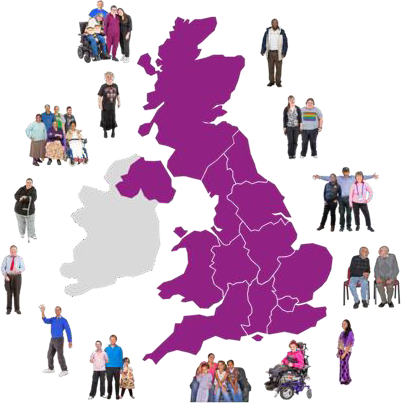
ਅਸੀਂ ਪੂਰੇ ਯੂਕੇ ਵਿੱਚ ਸਮਾਗਮਾਂ ਵਿੱਚ ਲੋਕਾਂ ਨਾਲ ਗੱਲ ਕੀਤੀ। ਲੋਕਾਂ ਨੇ ਸਾਡੀ ਵੈੱਬਸਾਈਟ ਰਾਹੀਂ ਵੀ ਸਾਡੇ ਨਾਲ ਸੰਪਰਕ ਕੀਤਾ। ਅਸੀਂ ਉਨ੍ਹਾਂ ਲੋਕਾਂ ਤੋਂ ਕਹਾਣੀਆਂ ਸੁਣੀਆਂ ਜੋ:

- ਆਪਣੇ ਕਾਰੋਬਾਰ
- ਆਪਣੇ ਲਈ ਕੰਮ ਕਰੋ
- ਚੈਰਿਟੀ ਚਲਾਓ
- ਆਪਣੀਆਂ ਨੌਕਰੀਆਂ ਗੁਆ ਦਿੱਤੀਆਂ
- ਕੰਮ ਕਰਦਾ ਰਿਹਾ
- ਸਰਕਾਰ ਤੋਂ ਮਦਦ ਮਿਲੀ
- ਮਦਦ ਨਹੀਂ ਮਿਲੀ
ਰਿਕਾਰਡਸ ਮਹਾਂਮਾਰੀ ਦੇ ਲੋਕਾਂ ਦੇ ਤਜ਼ਰਬਿਆਂ ਬਾਰੇ ਹਨ। ਪੁੱਛਗਿੱਛ ਵਿੱਚ ਸਬੂਤ ਵਜੋਂ ਰਿਕਾਰਡ ਵਰਤੇ ਜਾਂਦੇ ਹਨ।

ਇਹ ਮਾਡਿਊਲ 9 ਲਈ ਐਵਰੀ ਸਟੋਰੀ ਮੈਟਰਜ਼ ਰਿਕਾਰਡ ਦਾ ਇੱਕ ਆਸਾਨ ਪੜ੍ਹਨ ਵਾਲਾ ਸੰਸਕਰਣ ਹੈ। ਮਾਡਿਊਲ 9 ਪੈਸੇ ਅਤੇ ਕੰਮ ਬਾਰੇ ਹੈ।
ਸਹਾਇਤਾ ਪ੍ਰਾਪਤ ਕਰਨਾ

ਇਸ ਦਸਤਾਵੇਜ਼ ਵਿੱਚ ਕੁਝ ਗੱਲਾਂ ਦੁਖਦਾਈ ਹਨ। ਇਹ ਤੁਹਾਨੂੰ ਉਨ੍ਹਾਂ ਮੁਸ਼ਕਲ ਗੱਲਾਂ ਦੀ ਯਾਦ ਦਿਵਾ ਸਕਦੀਆਂ ਹਨ ਜੋ ਤੁਹਾਡੇ ਨਾਲ ਵਾਪਰੀਆਂ ਸਨ।

ਜੇਕਰ ਤੁਸੀਂ ਪਰੇਸ਼ਾਨ ਹੋ, ਤਾਂ ਦੋਸਤਾਂ, ਪਰਿਵਾਰ, ਸਹਾਇਤਾ ਸਮੂਹਾਂ ਜਾਂ ਸਿਹਤ ਪੇਸ਼ੇਵਰਾਂ ਤੋਂ ਮਦਦ ਮੰਗੋ।

ਤੁਹਾਡੀ ਮਦਦ ਕਰ ਸਕਣ ਵਾਲੀਆਂ ਸੰਸਥਾਵਾਂ ਦੀ ਸੂਚੀ ਦੇਖਣ ਲਈ ਹੇਠਾਂ ਦਿੱਤੇ ਲਿੰਕ ਦੀ ਵਰਤੋਂ ਕਰੋ:

ਪੈਸਾ ਅਤੇ ਕੰਮ

ਲੋਕਾਂ ਨੇ ਸਾਨੂੰ ਦੱਸਿਆ:
- ਮਹਾਂਮਾਰੀ ਦੀ ਸ਼ੁਰੂਆਤ ਵਿੱਚ ਚੀਜ਼ਾਂ ਬਹੁਤ ਤੇਜ਼ੀ ਨਾਲ ਬਦਲ ਗਈਆਂ।

- ਉਹ ਤਣਾਅ ਅਤੇ ਚਿੰਤਤ ਮਹਿਸੂਸ ਕਰਦੇ ਸਨ।

- ਕੁਝ ਲੋਕ ਕੰਮ ਕਰਦੇ ਰਹੇ ਪਰ ਉਨ੍ਹਾਂ ਨੂੰ ਵੱਖ-ਵੱਖ ਤਰੀਕਿਆਂ ਨਾਲ ਕੰਮ ਕਰਨਾ ਪਿਆ।
- ਕੁਝ ਲੋਕਾਂ ਦੀਆਂ ਨੌਕਰੀਆਂ ਚਲੀਆਂ ਗਈਆਂ।
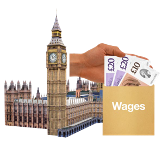
- ਕੁਝ ਲੋਕਾਂ ਅਤੇ ਕਾਰੋਬਾਰਾਂ ਨੂੰ ਸਰਕਾਰ ਤੋਂ ਮਦਦ ਮਿਲੀ, ਪਰ ਕੁਝ ਨੂੰ ਨਹੀਂ ਮਿਲੀ।
ਕਾਰੋਬਾਰਾਂ ਵਿੱਚ ਬਦਲਾਅ
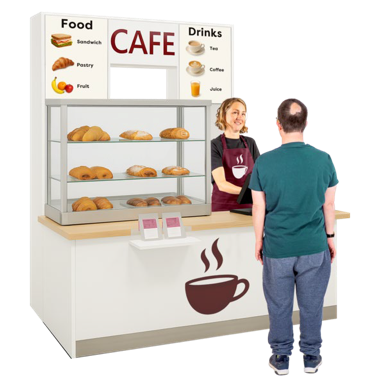
ਦੀਆਂ ਉਦਾਹਰਨਾਂ ਕਾਰੋਬਾਰ ਕੈਫ਼ੇ, ਹੋਟਲ, ਦੁਕਾਨਾਂ ਅਤੇ ਫਾਰਮੇਸੀਆਂ ਹਨ।

ਲੋਕਾਂ ਨੇ ਸਾਨੂੰ ਦੱਸਿਆ:
- ਕੁਝ ਕਾਰੋਬਾਰ ਔਨਲਾਈਨ ਚਲੇ ਗਏ।

- ਬਹੁਤ ਸਾਰੇ ਕਾਰੋਬਾਰ ਬੰਦ ਹੋ ਗਏ।
- ਬਹੁਤ ਸਾਰੇ ਕਾਰੋਬਾਰਾਂ ਨੂੰ ਨਵੇਂ ਨਿਯਮਾਂ ਅਤੇ ਸੁਰੱਖਿਆ ਉਪਕਰਨਾਂ ਦੀ ਆਦਤ ਪਾਉਣੀ ਪਈ।
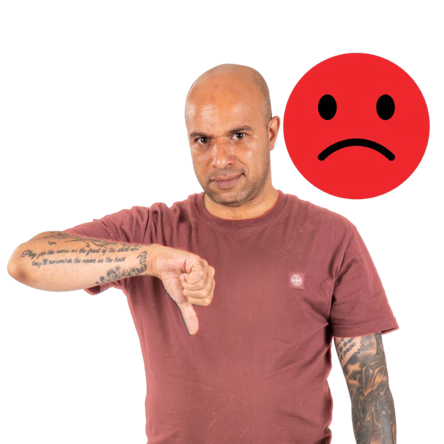
- ਬਹੁਤ ਸਾਰੇ ਲੋਕਾਂ ਦੀਆਂ ਨੌਕਰੀਆਂ ਚਲੀਆਂ ਗਈਆਂ।
ਨੌਕਰੀਆਂ
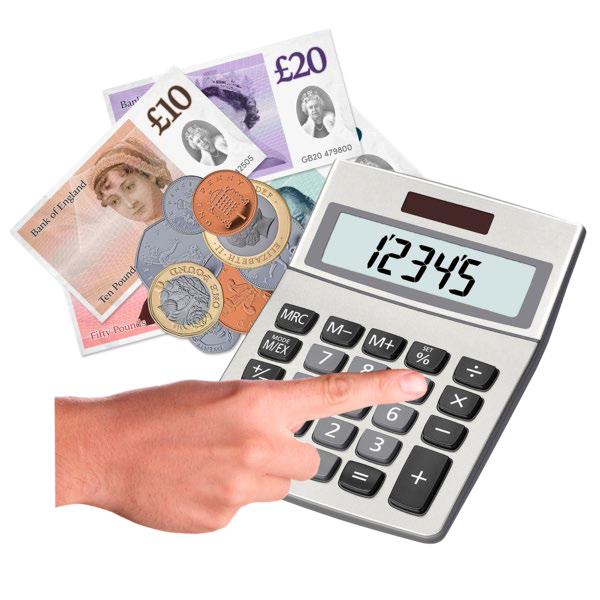
ਲੋਕ ਕਾਫ਼ੀ ਪੈਸਾ ਨਾ ਕਮਾ ਸਕਣ ਕਰਕੇ ਬਹੁਤ ਚਿੰਤਤ ਸਨ।

ਮਹਾਂਮਾਰੀ ਦੀ ਸ਼ੁਰੂਆਤ ਵਿੱਚ ਕੁਝ ਲੋਕਾਂ ਦੀਆਂ ਨੌਕਰੀਆਂ ਬਹੁਤ ਜਲਦੀ ਚਲੀਆਂ ਗਈਆਂ।

ਕੁਝ ਲੋਕ ਦੂਜਿਆਂ ਨਾਲੋਂ ਜ਼ਿਆਦਾ ਬੁਰੀ ਤਰ੍ਹਾਂ ਪ੍ਰਭਾਵਿਤ ਹੋਏ। ਉਦਾਹਰਣ ਵਜੋਂ:
- ਲਾਭਾਂ 'ਤੇ ਲੋਕ

- ਅਪਾਹਜ ਬੱਚਿਆਂ ਵਾਲੇ ਇਕੱਲੇ ਮਾਪੇ
- ਅਪਾਹਜ ਲੋਕ
ਲੰਬੇ ਸਮੇਂ ਦੇ ਪ੍ਰਭਾਵ
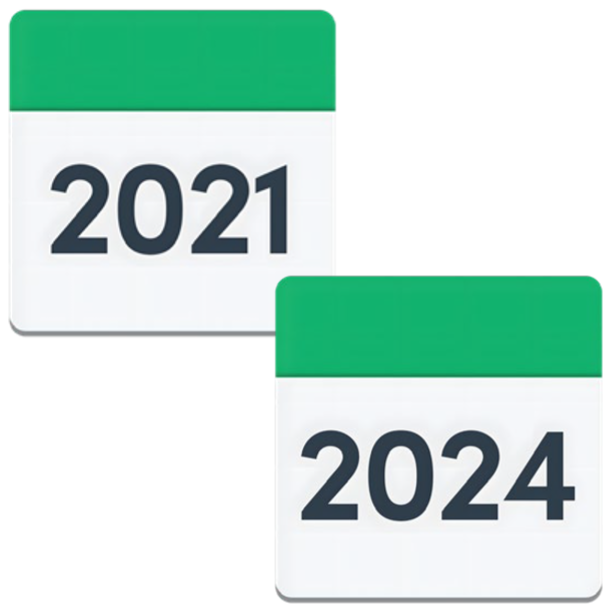
ਲੰਬੇ ਸਮੇਂ ਦੇ ਪ੍ਰਭਾਵ ਉਹ ਗੱਲਾਂ ਹਨ ਜੋ ਮਹਾਂਮਾਰੀ ਦੇ ਬਾਅਦ ਵਿੱਚ ਹੋਈਆਂ, ਅਤੇ ਮਹਾਂਮਾਰੀ ਦੇ ਖਤਮ ਹੋਣ ਤੋਂ ਬਾਅਦ।
ਕਾਰੋਬਾਰਾਂ 'ਤੇ ਪ੍ਰਭਾਵ
ਕਾਰੋਬਾਰਾਂ ਲਈ ਯੋਜਨਾ ਬਣਾਉਣਾ ਅਤੇ ਅੰਦਾਜ਼ਾ ਲਗਾਉਣਾ ਔਖਾ ਸੀ ਕਿ ਉਹ ਕਿੰਨਾ ਪੈਸਾ ਕਮਾ ਸਕਣਗੇ।

ਲੋਕਾਂ ਨੇ ਘਰੋਂ ਕੰਮ ਕਰਨਾ ਸ਼ੁਰੂ ਕਰ ਦਿੱਤਾ। ਕੁਝ ਕਾਰੋਬਾਰੀ ਮਾਲਕਾਂ ਨੇ ਦੁਕਾਨਾਂ ਵਿੱਚ ਚੀਜ਼ਾਂ ਵੇਚਣ ਦੀ ਬਜਾਏ ਔਨਲਾਈਨ ਕੰਮ ਕਰਨਾ ਸ਼ੁਰੂ ਕਰ ਦਿੱਤਾ।

ਕੁਝ ਕਾਰੋਬਾਰਾਂ ਨੂੰ ਪੈਸੇ ਬਚਾਉਣੇ ਪਏ। ਉਦਾਹਰਣ ਵਜੋਂ, ਛੋਟੇ ਦਫਤਰਾਂ ਵਿੱਚ ਜਾ ਕੇ ਜਾਂ ਘੱਟ ਸਟਾਫ ਰੱਖ ਕੇ।
ਲੋਕਾਂ 'ਤੇ ਪ੍ਰਭਾਵ
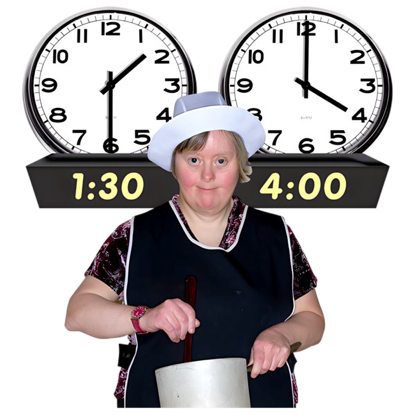
ਬਹੁਤ ਸਾਰੇ ਲੋਕਾਂ ਦੀਆਂ ਨੌਕਰੀਆਂ ਚਲੀਆਂ ਗਈਆਂ ਜਾਂ ਉਨ੍ਹਾਂ ਨੂੰ ਘੱਟ ਘੰਟੇ ਕੰਮ ਕਰਨ ਲਈ ਕਿਹਾ ਗਿਆ।

ਲੋਕਾਂ ਲਈ ਨਵੀਆਂ ਨੌਕਰੀਆਂ ਲੱਭਣਾ ਔਖਾ ਸੀ।

ਨੌਜਵਾਨਾਂ ਅਤੇ ਉਹ ਲੋਕ ਜੋ ਮਹਾਂਮਾਰੀ ਤੋਂ ਪਹਿਲਾਂ ਜ਼ਿਆਦਾ ਪੈਸਾ ਨਹੀਂ ਕਮਾਉਂਦੇ ਸਨ, ਉਨ੍ਹਾਂ ਨੂੰ ਬਹੁਤ ਮੁਸ਼ਕਲ ਲੱਗਿਆ।
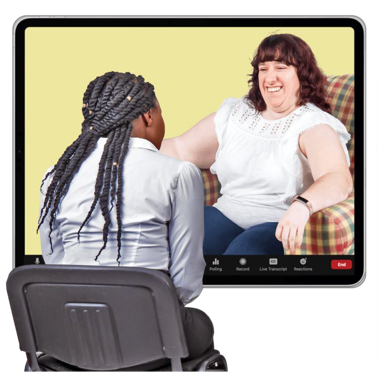
ਲੋਕਾਂ ਨੂੰ ਕੰਮ ਲੱਭਣ ਲਈ ਘੱਟ ਸਹਾਇਤਾ ਸੀ, ਅਤੇ ਜੌਬਸੈਂਟਰਾਂ ਤੋਂ ਸਹਾਇਤਾ ਜ਼ਿਆਦਾਤਰ ਔਨਲਾਈਨ ਸੀ।
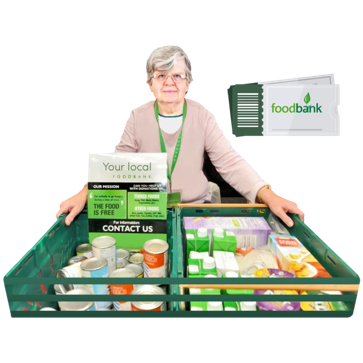
ਕੁਝ ਲੋਕ ਖਾਣਾ ਨਹੀਂ ਖਰੀਦ ਸਕਦੇ ਸਨ। ਉਨ੍ਹਾਂ ਨੂੰ ਫੂਡ ਬੈਂਕਾਂ ਦੀ ਵਰਤੋਂ ਕਰਨੀ ਪਈ।
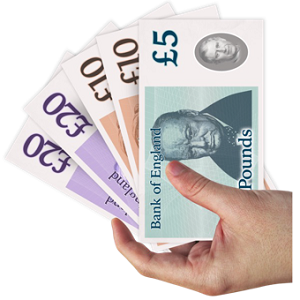
ਕੁਝ ਲੋਕਾਂ ਨੂੰ ਪਰਿਵਾਰ ਅਤੇ ਦੋਸਤਾਂ ਤੋਂ ਪੈਸੇ ਉਧਾਰ ਲੈਣੇ ਪਏ।
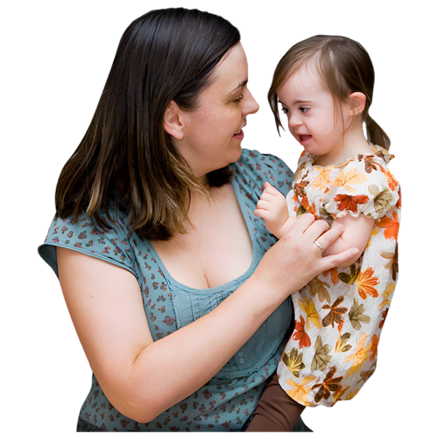
ਉਦਾਹਰਣ ਵਜੋਂ, ਸਭ ਤੋਂ ਵੱਧ ਪ੍ਰਭਾਵਿਤ ਲੋਕ ਸਨ:
- ਅਪਾਹਜ ਲੋਕ
- ਅਪਾਹਜ ਬੱਚਿਆਂ ਵਾਲੇ ਇਕੱਲੇ ਮਾਪੇ
- ਵਾਲੇ ਲੋਕ ਸਿਹਤ ਸਥਿਤੀਆਂ

ਏ ਸਿਹਤ ਸਥਿਤੀ ਇੱਕ ਅਜਿਹੀ ਬਿਮਾਰੀ ਹੈ ਜੋ ਤੁਹਾਨੂੰ ਲੰਬੇ ਸਮੇਂ ਤੱਕ ਪ੍ਰਭਾਵਿਤ ਕਰਦੀ ਹੈ।
ਉਦਾਹਰਣ ਵਜੋਂ: ਸ਼ੂਗਰ, ਕੈਂਸਰ, ਮਿਰਗੀ ਅਤੇ ਗਠੀਆ।
ਸਰਕਾਰੀ ਸਹਾਇਤਾ
ਸਰਕਾਰ ਨੇ ਕੁਝ ਵੱਖ-ਵੱਖ ਤਰੀਕਿਆਂ ਨਾਲ ਲੋਕਾਂ ਦੀ ਸਹਾਇਤਾ ਕੀਤੀ। ਉਦਾਹਰਣ ਵਜੋਂ:
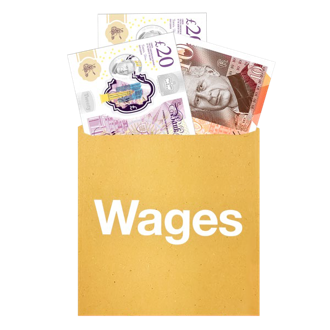
ਛੁੱਟੀ: ਕੁਝ ਲੋਕਾਂ ਲਈ ਸਰਕਾਰ ਵੱਲੋਂ ਪੈਸੇ ਜੋ ਕੰਮ 'ਤੇ ਨਹੀਂ ਜਾ ਸਕਦੇ ਸਨ। ਫਰਲੋ ਨੇ ਕੁਝ ਲੋਕਾਂ ਨੂੰ ਆਪਣੇ ਬਿੱਲਾਂ ਦਾ ਭੁਗਤਾਨ ਕਰਨ ਅਤੇ ਭੋਜਨ ਅਤੇ ਹੋਰ ਚੀਜ਼ਾਂ ਖਰੀਦਣ ਵਿੱਚ ਮਦਦ ਕੀਤੀ।
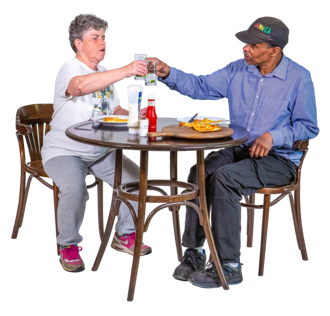
ਮਦਦ ਕਰਨ ਲਈ ਬਾਹਰ ਖਾਓ: ਲੋਕਾਂ ਨੂੰ ਕੈਫ਼ੇ ਅਤੇ ਰੈਸਟੋਰੈਂਟਾਂ ਦੀ ਵਰਤੋਂ ਕਰਨ ਲਈ ਉਤਸ਼ਾਹਿਤ ਕਰਨ ਲਈ ਸਰਕਾਰ ਵੱਲੋਂ ਪੈਸੇ।

ਸਰਕਾਰੀ ਸਹਾਇਤਾ ਬਾਰੇ ਲੋਕਾਂ ਨੇ ਜੋ ਗੱਲਾਂ ਕਹੀਆਂ:
ਲੋਕ ਇਸ ਬਾਰੇ ਉਲਝਣ ਵਿੱਚ ਸਨ ਕਿ ਕਿਸਨੂੰ ਮਦਦ ਮਿਲ ਸਕਦੀ ਹੈ ਅਤੇ ਕਿਸਨੂੰ ਨਹੀਂ।

ਕੁਝ ਕਾਰੋਬਾਰ ਜਿਨ੍ਹਾਂ ਨੂੰ ਮਦਦ ਦੀ ਲੋੜ ਸੀ, ਉਹ ਇਹ ਨਹੀਂ ਲੈ ਸਕੇ।
ਕੁਝ ਲੋਕਾਂ ਨੂੰ ਜਲਦੀ ਸਹਾਇਤਾ ਮਿਲ ਗਈ, ਦੂਜਿਆਂ ਲਈ ਇਸ ਵਿੱਚ ਬਹੁਤ ਜ਼ਿਆਦਾ ਸਮਾਂ ਲੱਗਿਆ।
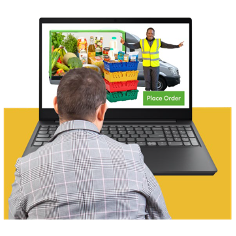
ਇਸ ਸਹਾਇਤਾ ਨੇ ਕੁਝ ਕਾਰੋਬਾਰਾਂ ਨੂੰ ਨਵੇਂ ਕੰਮ ਕਰਨ ਅਤੇ ਵਧਣ ਵਿੱਚ ਮਦਦ ਕੀਤੀ।
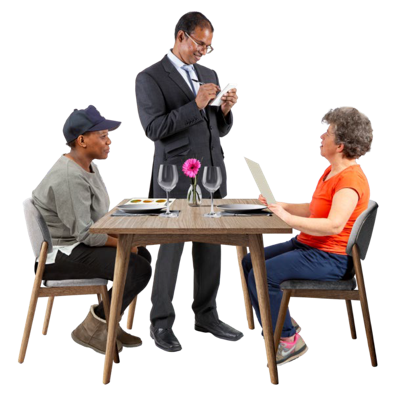
ਮਦਦ ਕਰਨ ਲਈ ਬਾਹਰ ਖਾਓ ਇੱਕ ਅਜਿਹੀ ਯੋਜਨਾ ਸੀ ਜਿਸਨੇ ਕੁਝ ਰੈਸਟੋਰੈਂਟਾਂ ਅਤੇ ਕੈਫ਼ਿਆਂ ਦੀ ਮਦਦ ਕੀਤੀ, ਪਰ ਦੂਜਿਆਂ ਲਈ ਇਸਨੇ ਚੀਜ਼ਾਂ ਨੂੰ ਹੋਰ ਵੀ ਅਨਿਸ਼ਚਿਤ ਬਣਾ ਦਿੱਤਾ।

ਜਦੋਂ ਸਰਕਾਰੀ ਸਹਾਇਤਾ ਖਤਮ ਹੋਣ ਦਾ ਸਮਾਂ ਆਇਆ:

- ਕੁਝ ਕਾਰੋਬਾਰਾਂ ਨੂੰ ਦੱਸਿਆ ਗਿਆ ਸੀ ਕਿ ਸਹਾਇਤਾ ਕਦੋਂ ਖਤਮ ਹੋਵੇਗੀ, ਤਾਂ ਜੋ ਉਹ ਇਸਦੀ ਯੋਜਨਾ ਬਣਾ ਸਕਣ।

- ਦੂਜੇ ਲੋਕਾਂ ਨੂੰ ਨਹੀਂ ਦੱਸਿਆ ਗਿਆ, ਅਤੇ ਜਦੋਂ ਸਹਾਇਤਾ ਬੰਦ ਹੋ ਗਈ ਤਾਂ ਇਹ ਇੱਕ ਝਟਕਾ ਸੀ।
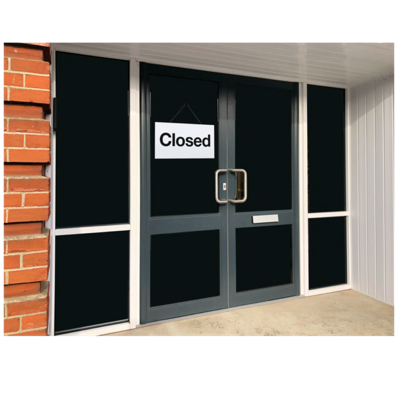
- ਕੁਝ ਕਾਰੋਬਾਰਾਂ ਨੂੰ ਸਰਕਾਰੀ ਸਹਾਇਤਾ ਬੰਦ ਹੋਣ 'ਤੇ ਬੰਦ ਕਰਨਾ ਪਿਆ। ਇਨ੍ਹਾਂ ਕਾਰੋਬਾਰਾਂ ਲਈ ਕੰਮ ਕਰਨ ਵਾਲੇ ਲੋਕਾਂ ਦੀਆਂ ਨੌਕਰੀਆਂ ਚਲੀਆਂ ਗਈਆਂ
ਭਵਿੱਖ
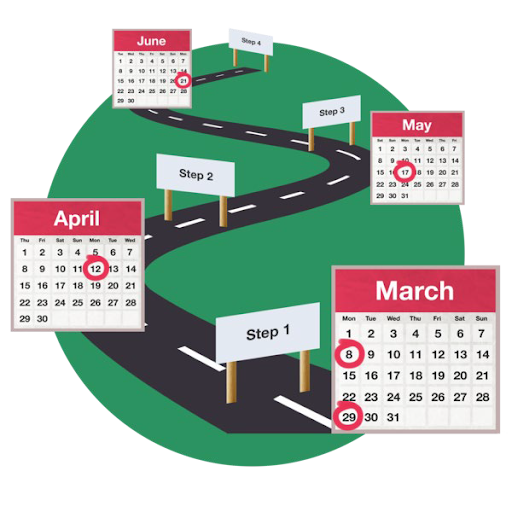
ਲੋਕਾਂ ਨੇ ਸਾਨੂੰ ਹੋਰ ਮਹਾਂਮਾਰੀਆਂ ਲਈ ਤਿਆਰ ਰਹਿਣ ਬਾਰੇ ਵਿਚਾਰ ਦਿੱਤੇ। ਉਦਾਹਰਣ ਵਜੋਂ:
ਕੋਈ ਵੀ ਸਰਕਾਰੀ ਸਹਾਇਤਾ ਕਿਵੇਂ ਕੰਮ ਕਰੇਗੀ, ਇਸ ਬਾਰੇ ਯੋਜਨਾ ਬਣਾਓ।

ਇਹ ਯਕੀਨੀ ਬਣਾਓ ਕਿ ਸਵੈ-ਰੁਜ਼ਗਾਰ ਪ੍ਰਾਪਤ ਲੋਕ ਉਸ ਸਹਾਇਤਾ ਤੋਂ ਖੁੰਝ ਨਾ ਜਾਣ ਜਿਸਦੀ ਉਹਨਾਂ ਨੂੰ ਲੋੜ ਹੈ।
ਲੋਕਾਂ ਅਤੇ ਕਾਰੋਬਾਰਾਂ ਨਾਲ ਸਪੱਸ਼ਟ ਤੌਰ 'ਤੇ ਗੱਲਬਾਤ ਕਰੋ। ਉਨ੍ਹਾਂ ਨੂੰ ਦੱਸੋ ਕਿ ਸਹਾਇਤਾ ਕਿਵੇਂ ਪ੍ਰਾਪਤ ਕਰਨੀ ਹੈ।

ਇੱਕ ਵੈੱਬਸਾਈਟ ਬਣਾਓ ਤਾਂ ਜੋ ਸਾਰੀ ਜਾਣਕਾਰੀ ਇੱਕੋ ਥਾਂ 'ਤੇ ਹੋਵੇ।
ਸਹਾਇਤਾ ਜਲਦੀ ਮਿਲਣੀ ਚਾਹੀਦੀ ਹੈ, ਅਤੇ ਲੰਬੇ ਸਮੇਂ ਤੱਕ ਚੱਲਣੀ ਚਾਹੀਦੀ ਹੈ।

ਮਹਾਂਮਾਰੀ ਦੇ ਅੰਤ 'ਤੇ, ਸਰਕਾਰੀ ਸਹਾਇਤਾ ਦੀ ਮਾਤਰਾ ਹੌਲੀ-ਹੌਲੀ ਘਟਾਓ। ਇਸਨੂੰ ਅਚਾਨਕ ਨਾ ਬੰਦ ਕਰੋ।

ਕਾਰੋਬਾਰਾਂ ਲਈ ਇਹ ਪਤਾ ਲਗਾਉਣਾ ਆਸਾਨ ਬਣਾਓ ਕਿ ਕਿਸਨੂੰ ਮਦਦ ਮਿਲ ਸਕਦੀ ਹੈ, ਅਤੇ ਇਹ ਕਿਵੇਂ ਮੰਗਣੀ ਹੈ।
ਵਾਪਸ ਭੁਗਤਾਨ ਕਰਨਾ ਆਸਾਨ ਬਣਾਓ ਕਰਜ਼ੇ ਜੋ ਸਰਕਾਰੀ ਸਹਾਇਤਾ ਦੇ ਹਿੱਸੇ ਵਜੋਂ ਦਿੱਤੇ ਜਾਂਦੇ ਹਨ।
ਏ ਕਰਜ਼ਾ ਉਹ ਪੈਸਾ ਹੈ ਜੋ ਤੁਹਾਨੂੰ ਦਿੱਤਾ ਜਾਂਦਾ ਹੈ, ਜੋ ਤੁਹਾਨੂੰ ਵਾਪਸ ਕਰਨਾ ਪੈਂਦਾ ਹੈ।
ਹੋਰ ਜਾਣਕਾਰੀ

ਇਸ ਰਿਕਾਰਡ ਦਾ ਪੂਰਾ ਸੰਸਕਰਣ, ਜਾਂ ਹੋਰ ਪਹੁੰਚਯੋਗ ਫਾਰਮੈਟ ਇੱਥੋਂ ਪ੍ਰਾਪਤ ਕਰੋ: