
The UK Covid-19 Inquiry

The UK Covid-19 Inquiry’s job is to:
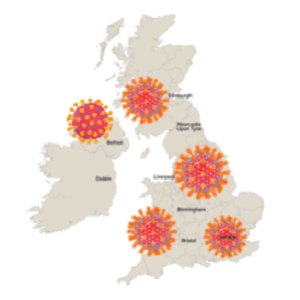
- find out what happened during the Covid-19 pandemic in the UK
- learn how to get ready for pandemics in the future
Every Story Matters is part of the Inquiry. Anyone in the UK could share their stories about the pandemic with us, at events and by using our website.
We wrote down the things people said. These reports are called records.
Hearings
The Inquiry uses hearings to learn about what happened in the pandemic.
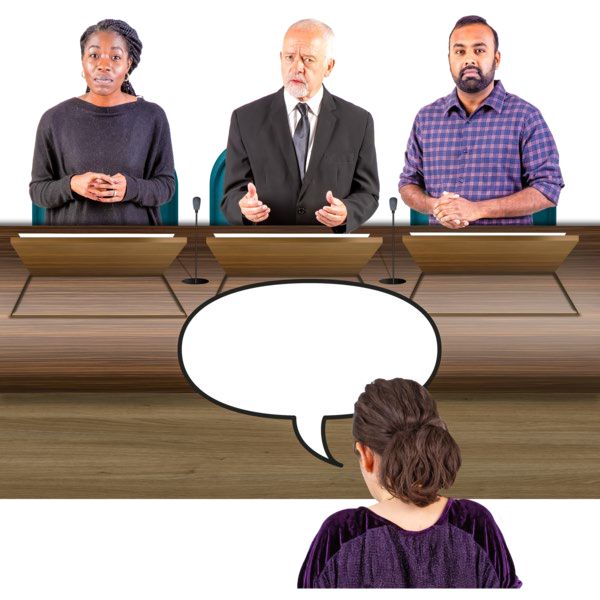
At a hearing, people answer questions about what happened.

These people were, for example:
- politicians
- scientists and doctors
- people who work for the UK’s governments
Evidence from Every Story Matters
Every Story Matters is how we listened to people from all over the UK.

- 55,000 people shared their stories using our website. www.everystorymatters.co.uk

- People used paper forms, or went online to tell us their stories. We also tried using a phone line and other accessible ways.
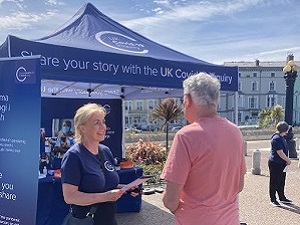
- We met people at events across the UK.
We interviewed people and organised meetings.
The Every Story Matters records are used at the hearings as evidence.
Evidence means facts about what happened.
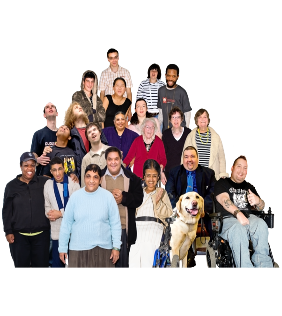
This means that we did not only hear from politicians and scientists.
The experiences of ordinary people were just as important.
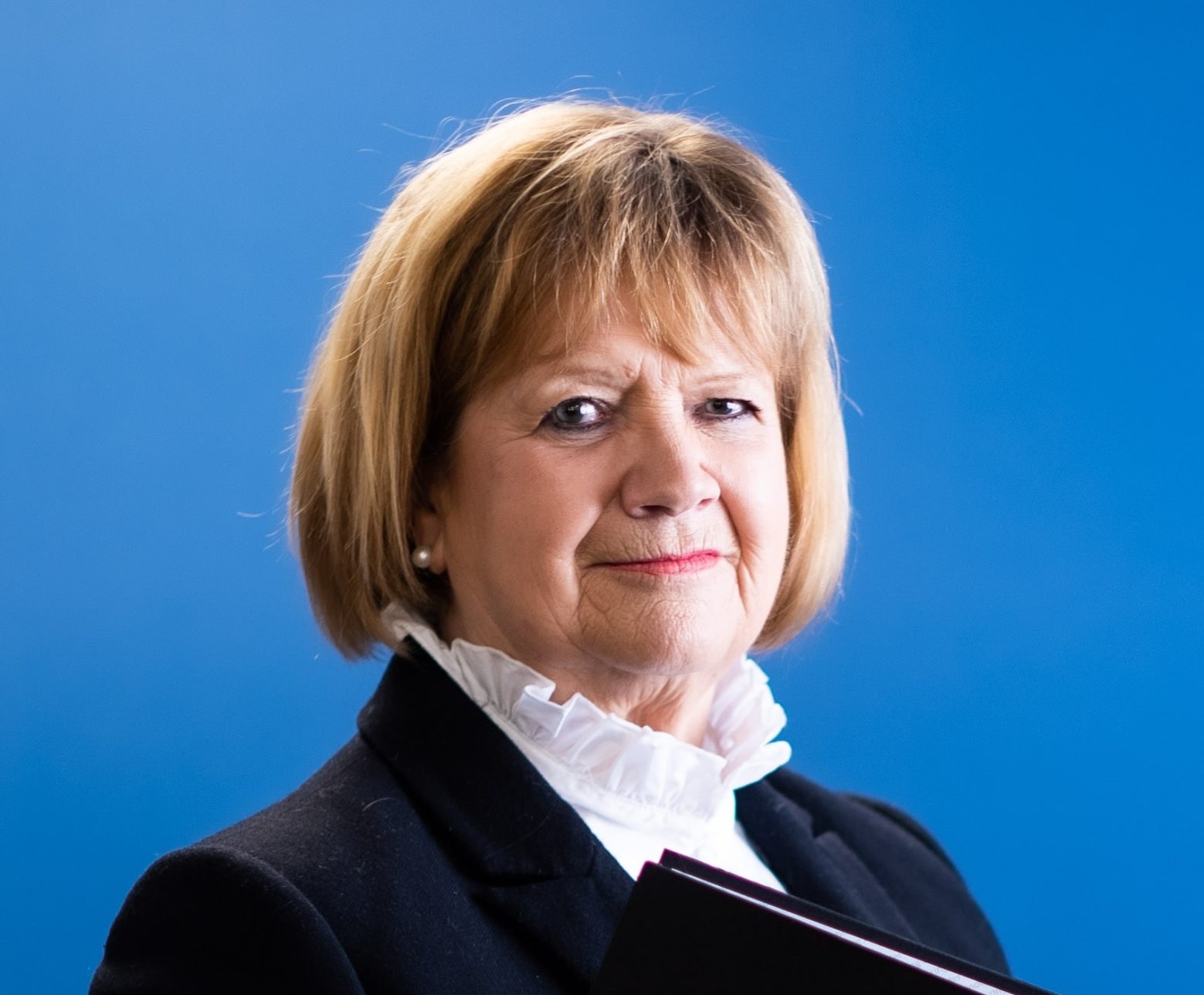
Baroness Hallett is using all the evidence to write her reports and recommendations.
Baroness Hallett is the person in charge of the Inquiry.

This document is an Easy Read version of the last Every Story Matters record.
It is about the main things people told us during the whole inquiry.
All the Every Story Matters records are on our website:
https://www.covid19.public-inquiry.uk/
every-story-matters/records/
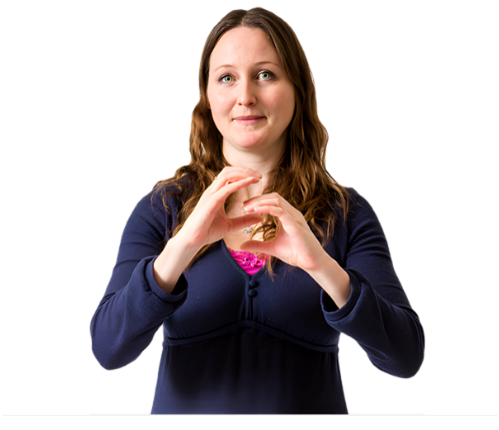
Click on the link to ‘In Brief’ summary to find short and accessible versions.
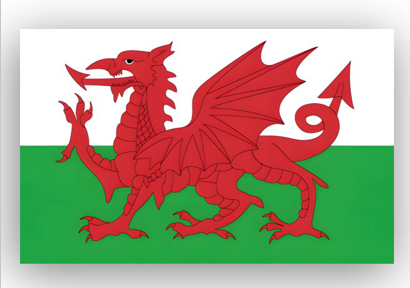
For example, Easy Read, British Sign Language and Welsh.
Things people told us
Lockdowns and isolation
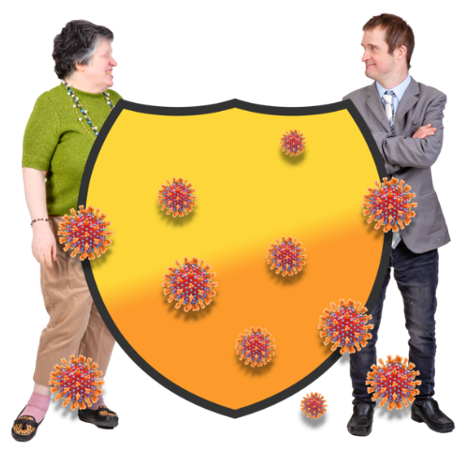
- People who were most at risk of being ill from covid had to shield for a long time. This meant keeping away from other people.
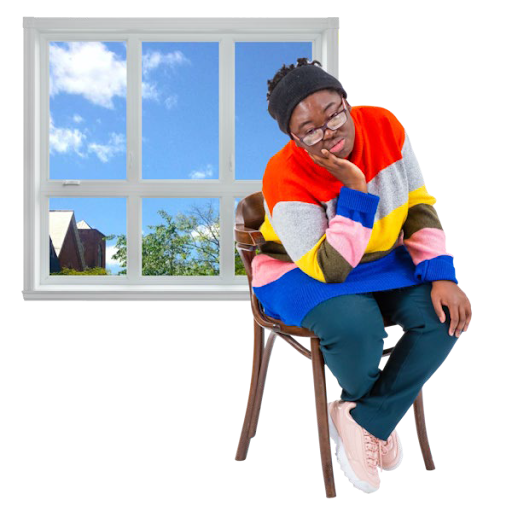
- Many people felt very lonely and could not get the help they needed.
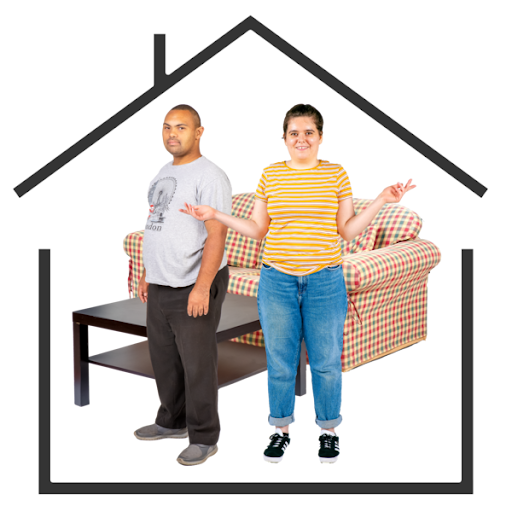
- Some people told us that lockdowns should have happened more quickly. Other people said the lockdowns should not have happened at all.

- People had to cancel holidays and other travel.
Children
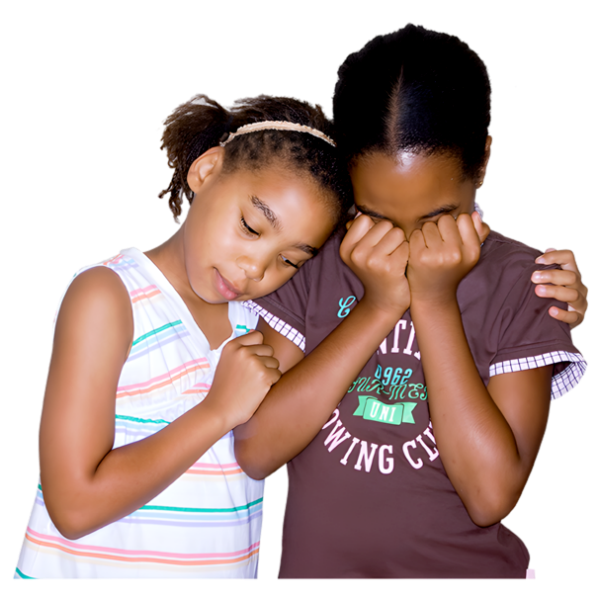
- The pandemic affected children’s mental health. This means things like anxiety and depression.

- Some children were scared about catching germs, death, and what would happen at the end of lockdown.
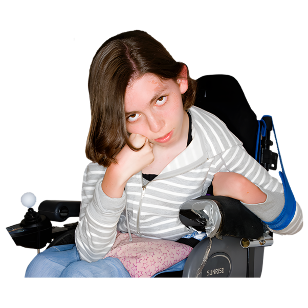
- Some children with SEND had to wait a long time to get support, because they were not at school.
SEND means Special Educational Needs and Disabilities.
Parents
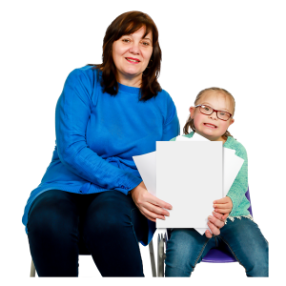
- Parents of disabled children struggled to get support.
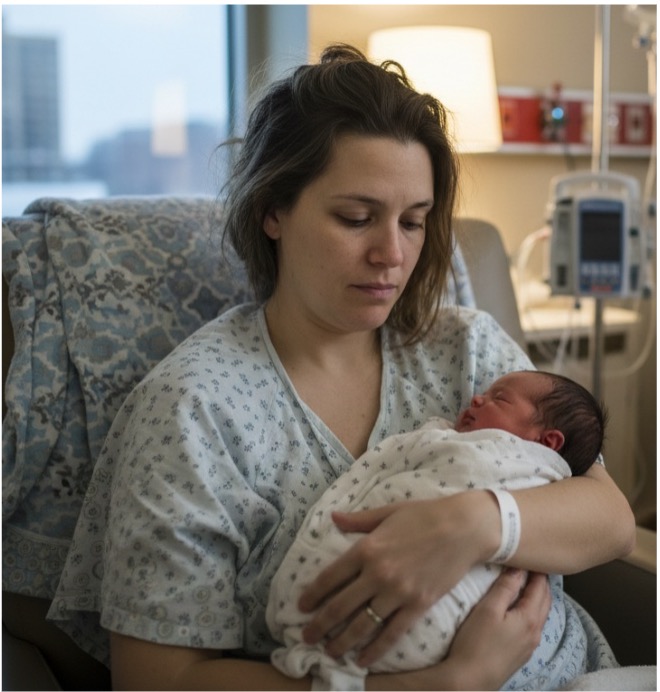
- Many new parents felt very alone.
Their partners could not go to appointments with them, or be there for their baby’s birth.
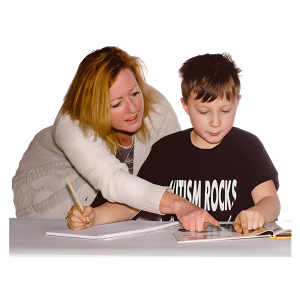
- Parents of school-age children had to help with home learning. Some families could not afford a computer to do school work.
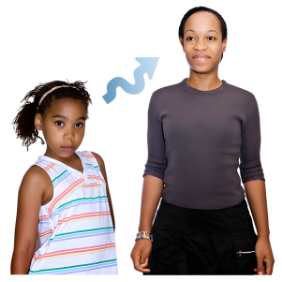
- Parents worried about how the pandemic would affect their child as they grow up.
Separation from family and friends
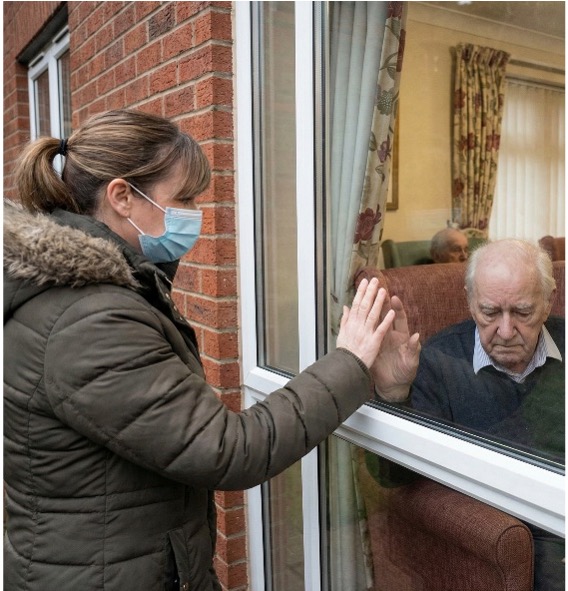
- Not being able to see family and friends was very difficult for many people.
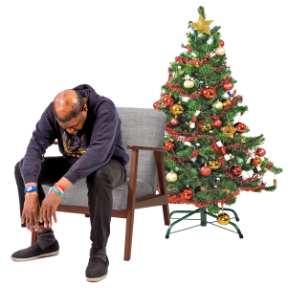
- People missed events like birthdays and weddings.
- Some people felt abandoned in care homes or hospitals.
Health and social care workers
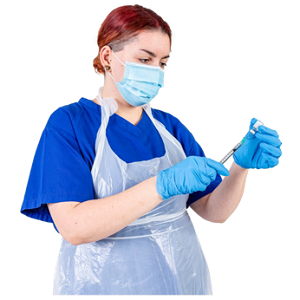
- These workers had to work a lot more, and the work was hard.
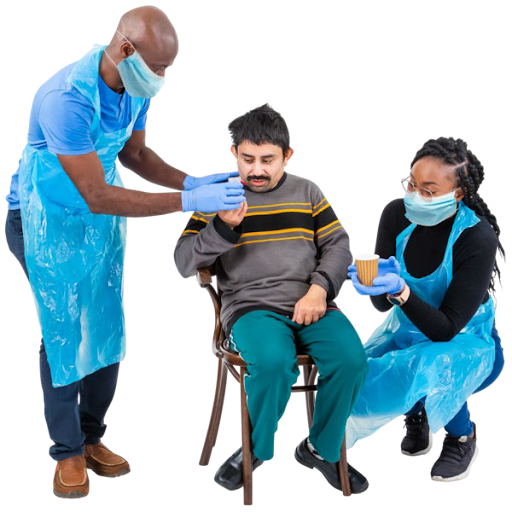
- They had to deal with very difficult situations, including people dying.
- Many health and care workers struggled. Some left their jobs.
Death and dying
- Many people lost friends and family during the pandemic.
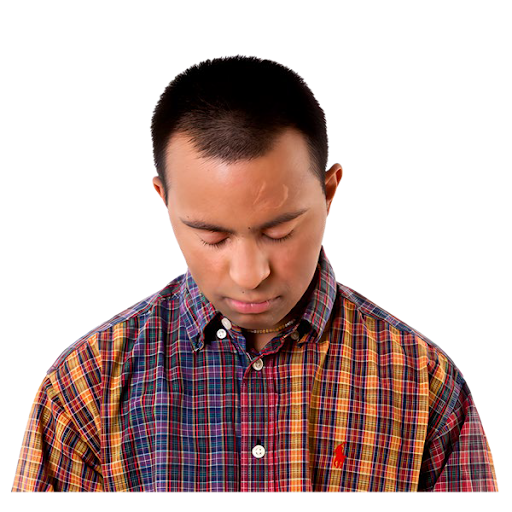
- People feel anger, guilt and regret about not being with people when they died.
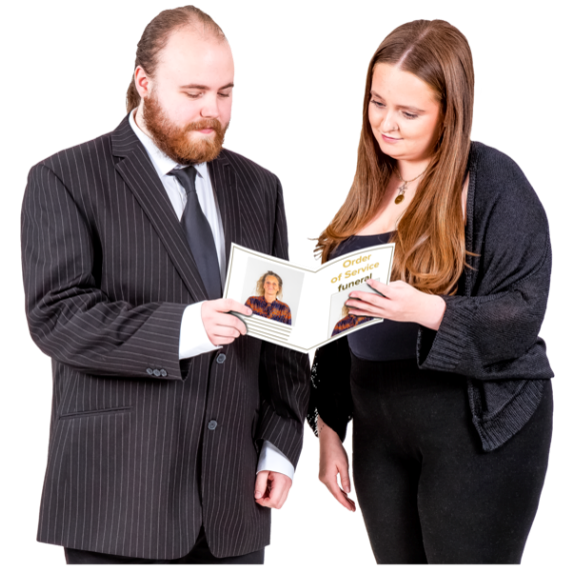
- It took a long time to organise funerals and paperwork.
- Many people could not go to funerals or other ceremonies. This made them feel more isolated.
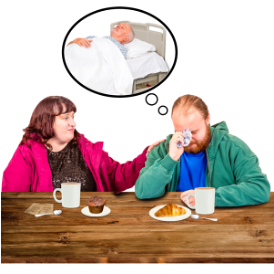
It also made their grief worse. Many people still feel this today.
Being unwell with Covid-19
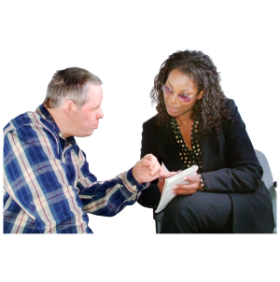
- People told us what it was like to be unwell with Covid-19.
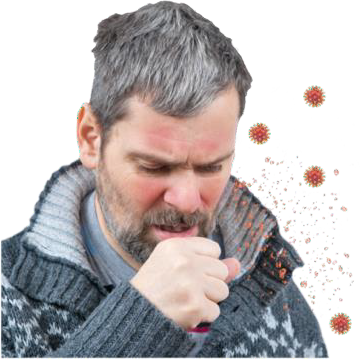
- People had a cough, sore throat, headaches, pain in their body, and found it hard to think.
- Some people felt like this for a long time. This was called Long Covid.
- Some people still have Long Covid.
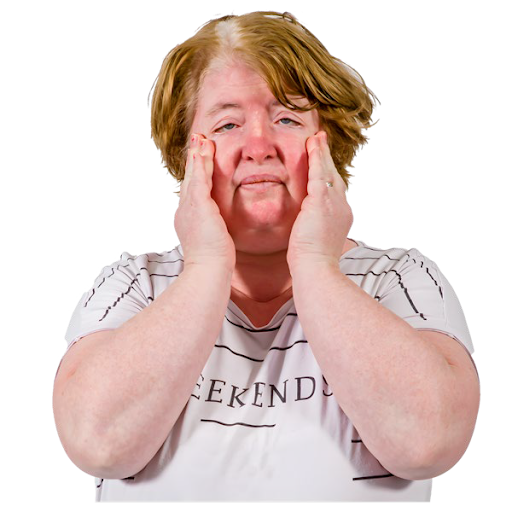
- Long Covid can make everyday life extremely difficult. It also affects people’s mental health.
Government decisions
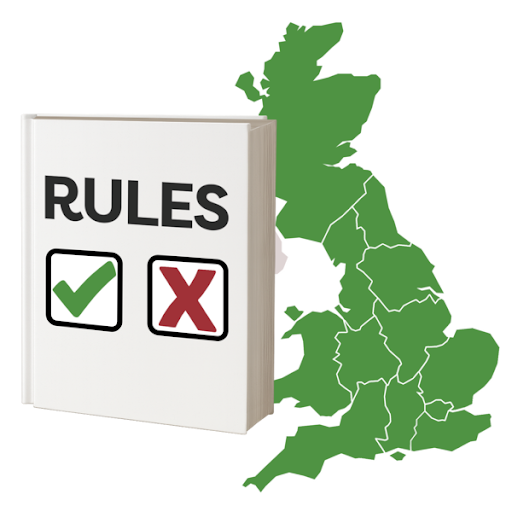
- People are unhappy that some people in government did not follow lockdown rules.
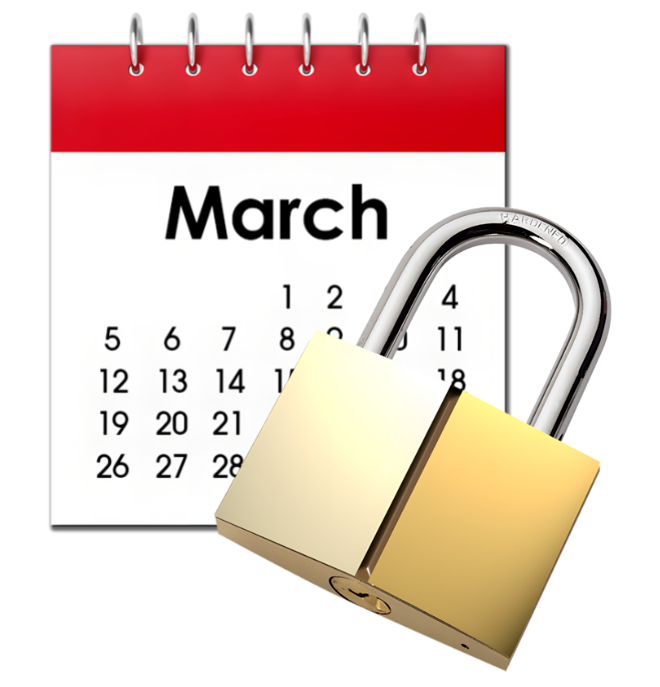
- Some people think the first lockdown happened too late.
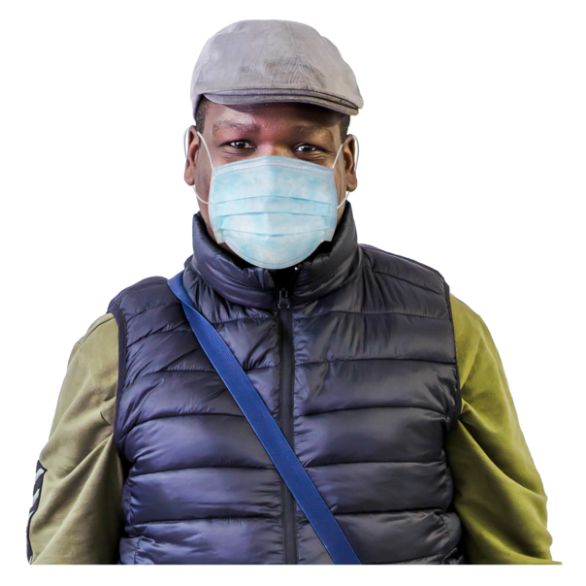
- The government should have told people to wear face masks sooner.
- People blame government decisions for many of the difficult things that happened to them in the pandemic.
Health care

- Appointments and operations were delayed or cancelled.
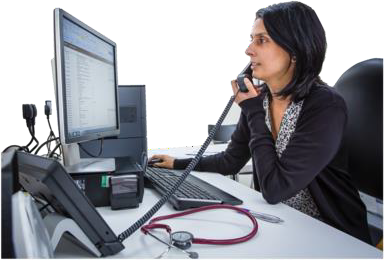
- People struggled to get appointments with their GP.
- Some people paid for private health care instead.
Mental health
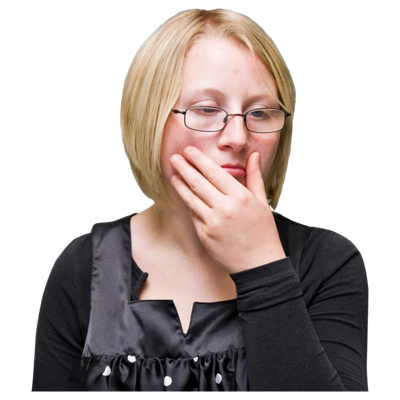
- Isolation affected people’s mental health.
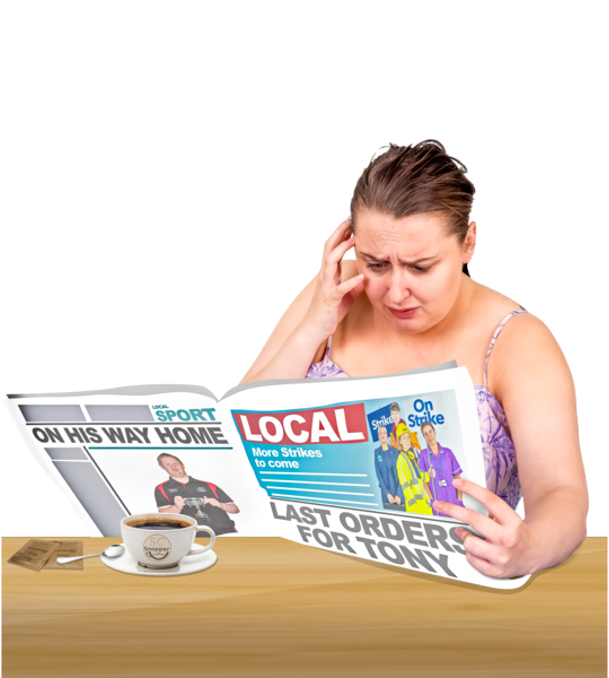
- Reading and watching the news made people feel more afraid.
- It was harder to get help with mental health.
Vaccines
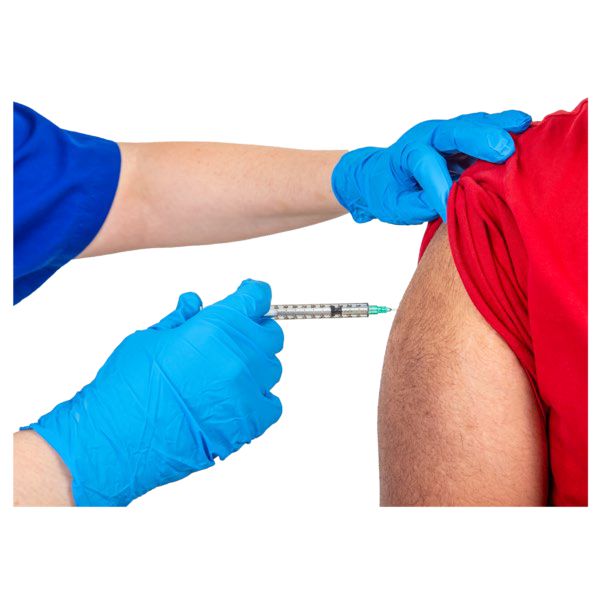
- Vaccines helped some people to feel protected from the virus.
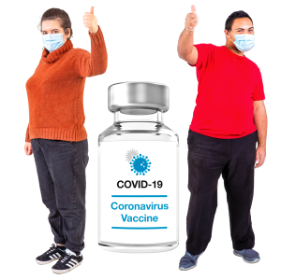
- Some people felt like we were making progress against the virus.
- Some people worried about whether the vaccine was harmful.
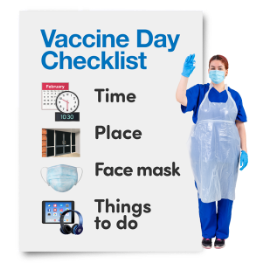
- Information about the vaccine could have been better.
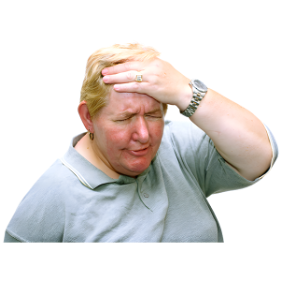
- Some people told us about side effects from the vaccine. This means it made them feel unwell.
Money and businesses

- Some people lost their jobs. This made it hard to pay for everyday things like rent and food.
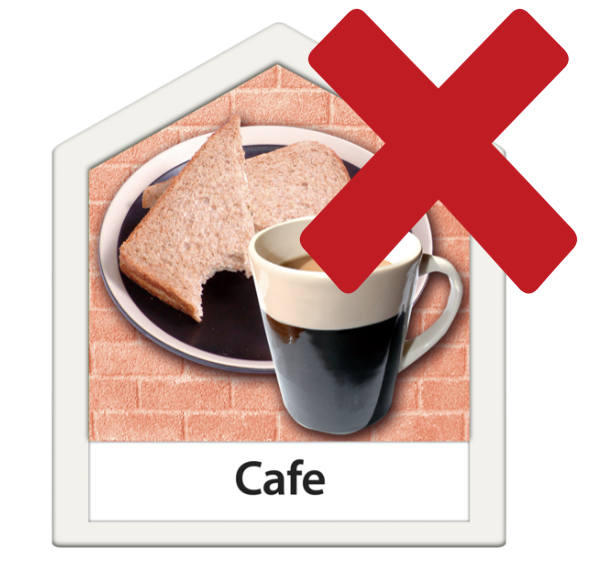
- Many businesses lost money and found it hard to keep going.
Good things that happened
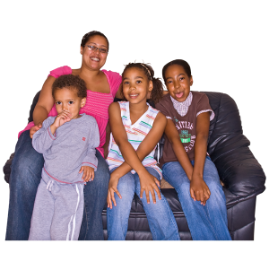
- Some families got on well and had fun together during lockdown.
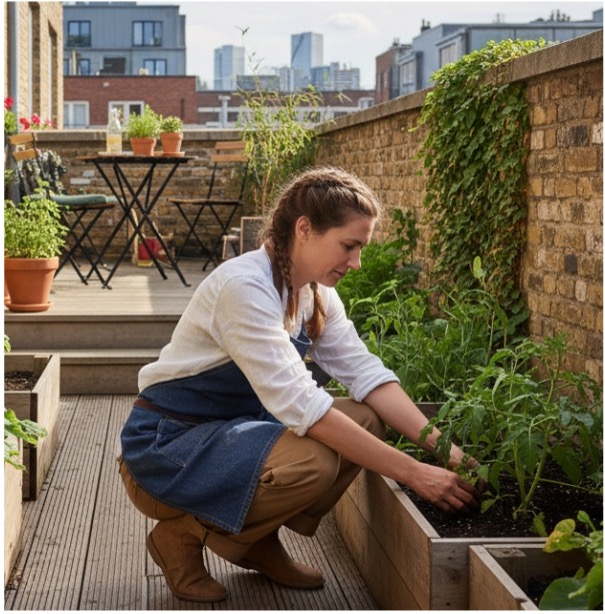
- Some people started new hobbies, learned new skills or tried a new career.
Thank you
Thank you to everyone who shared stories with us.
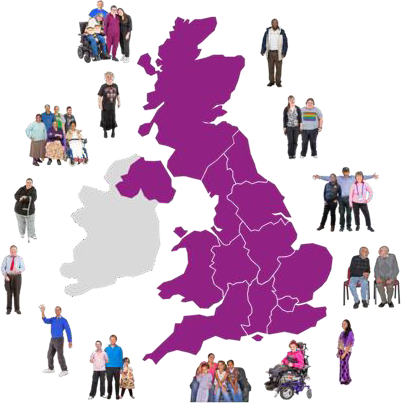
You have shown us how people were affected by the pandemic.
We are very grateful for your time and your support.