
O zapytaniu

The UK Covid-19 Inquiry is:
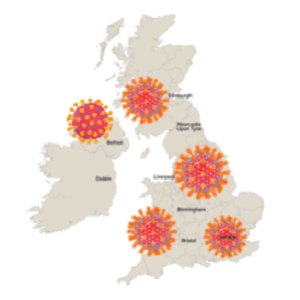
- finding out about what happened during the Covid-19 pandemia.
- ucząc się, jak przygotować się na pandemie w przyszłości
The Inquiry is divided up into moduły. Each module is about a different subject. Each module has:
- przesłuchania publiczne: wydarzenia, podczas których ludzie opowiadają o swoich doświadczeniach
- A UK Covid-19 Inquiry report
Każda historia ma znaczenie

Każda historia ma znaczenie is one way that the Inquiry learns about people’s experiences of the pandemic.
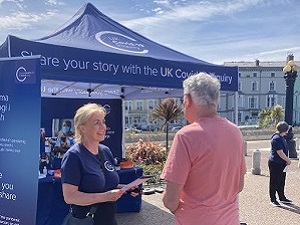
Anyone in the UK could share their stories with us, at events and by using our website.
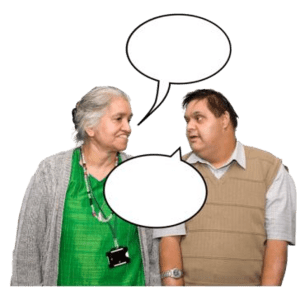
The stories helped us to learn about what happened, then decide how to do things differently in future.

You might feel upset when you read people’s stories. Here is a link to information about getting support:
https://covid19.public-inquiry.uk/support-whilst-engaging-with-the-inquiry/
Dokumentacja
Każdy moduł wykorzystuje dowody z Każda historia ma znaczenie.

Każdy nagrywać jest podsumowaniem tego, co ludzie nam powiedzieli.
This document is the Easy Read version of one of the records for Moduł 10.
All the Every Story Matters records are on our website:
https://www.covid19.public-inquiry.uk/every-story-matters/records/
Żałoba
O 230,000 people died of Covid-19 during the pandemic in the UK.
Many more people were bereaved.
Bereaved means that someone close to you has died.

People who are bereaved have lots of difficult feelings. For example, feeling sad, lonely, guilty or angry.
Many people are still suffering from the effects of losing friends or family in the pandemic.
When people died

During the Covid-19 pandemic, some hospitals and care homes did not allow visits from friends and family when their loved ones were dying.

Some people were able to see their loved ones, but only through a window. Some others could visit, but only if they were wearing ŚOI: masks, aprons and gloves. This was also very upsetting.

Bereaved people said they felt angry, sad and guilty that they could not say goodbye. The dying person may have felt abandoned, when they needed family and friends.
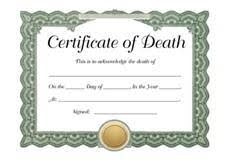
Some people found it hard to get a death certificate.
A death certificate is a very important piece of paper that says the person has died.

You cannot have a funeral or sort out the person’s money without a death certificate.

Some of the things politicians did made them feel even more pain.

For example, when people in government had gatherings in Downing Street, when this was breaking the rules.
Funerals
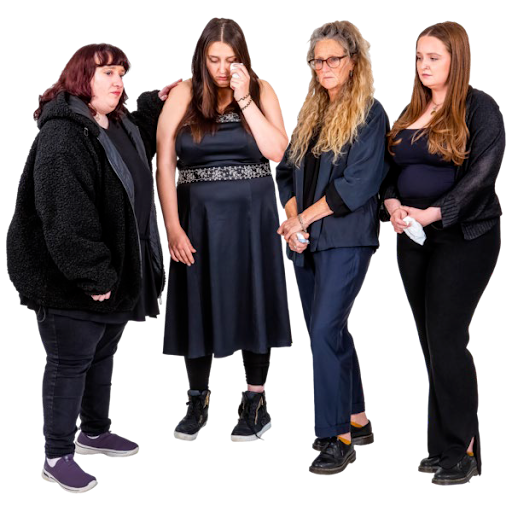
It was difficult to arrange funerals and other ceremonies.

Family and friends were unsure about how many people could go to a funeral or ceremony because lockdown rules changed a lot.
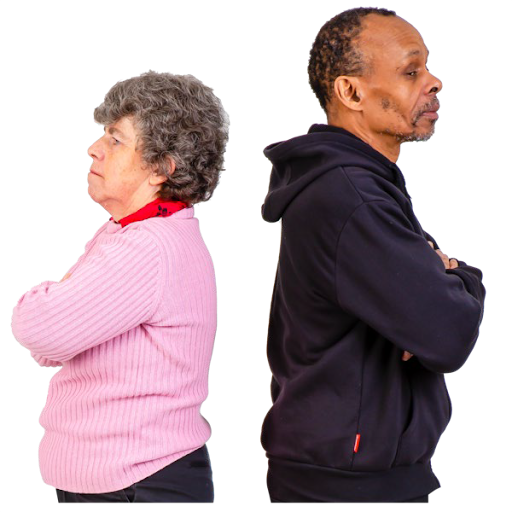
The restrictions about how many people could attend funerals or ceremonies sometimes caused problems between family and friends.
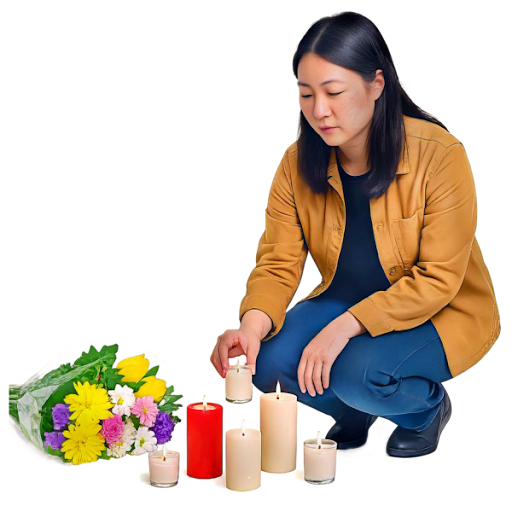
People had to wait a long time for funerals. This was very upsetting, especially for people from some cultures and religions who need funerals to happen very quickly.
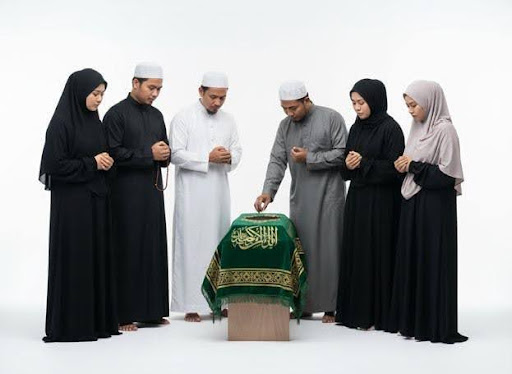
Funerals and other ceremonies are often planned around:
- what the person who died wanted
- what their family wants
- their religion or culture
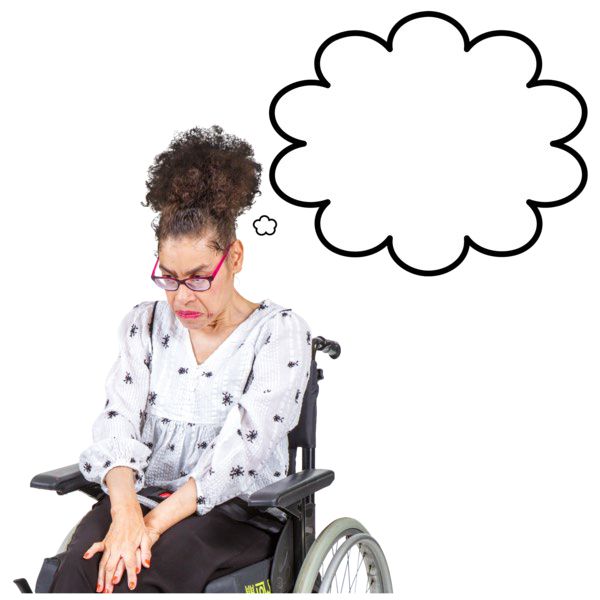
But during the pandemic, people often could not choose what the ceremonies were like.
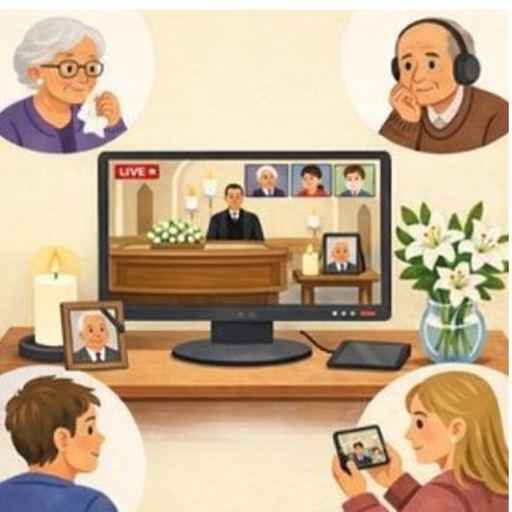
Many funerals and other ceremonies were live-streamed. This means people watched them online. It did not feel the same as being there.
Wsparcie

Many people did not get information about bereavement support.
Some people who did get support said:
- they had to wait a long time to get help

- sessions were online and some people found this difficult

- some counsellors did not have the skills they needed to support people in a pandemic

- Some bereaved people met to support each other. This helped them to feel better.

Support from family and friends was also very important.
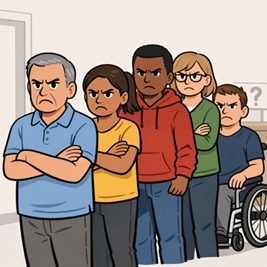
People who were running bereavement support services told us:
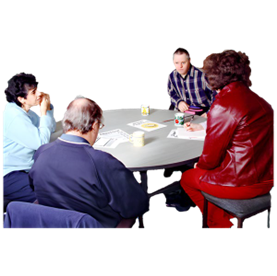
- lots of people needed support
- services struggled to help everyone
- staff had to work extremely hard to keep up
Lasting effects
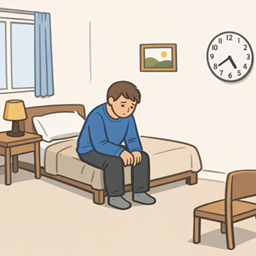
Some people found it harder to cope with bereavement if they were isolated.
Some people found it easier, because they did not have to talk to anyone about their loss.

Some families did not have enough money to live on after the person who earned money for their family died. This made them feel stressed and worried.

If a carer died, the cared for person was suddenly left with little support.
Pomysły na przyszłość
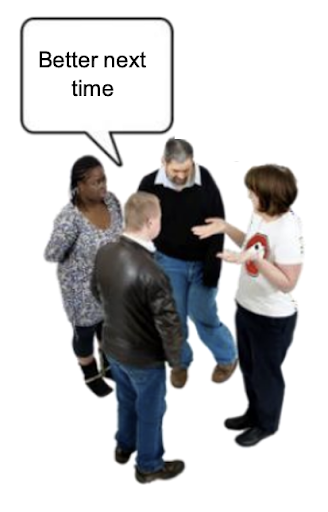
People who shared their stories with us told us about things that could be done better in the future:
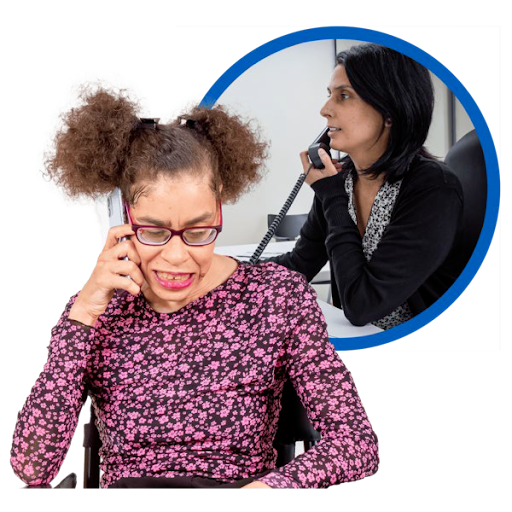
- Offer families a meeting with a doctor or nurse who looked after the person before they died.
- This will help people to understand more about what happened.
- Change the rules about isolation so that people can go to funerals and other ceremonies.
- Give people information about where to get support when someone dies
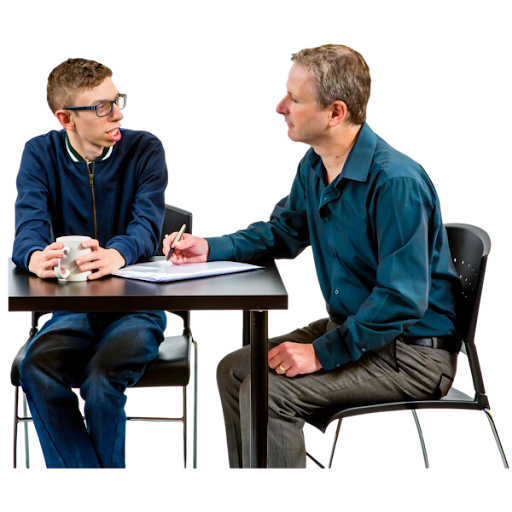
- Make sure there are enough support services to help people who are bereaved.
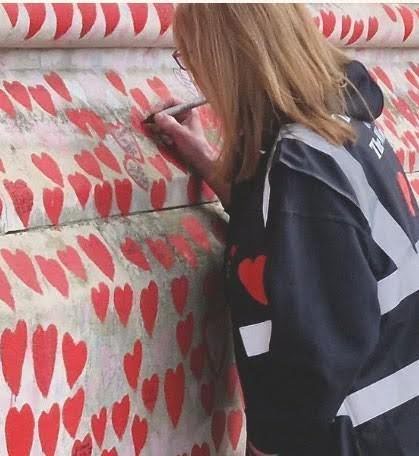
- Days of remembrance, and other ways of remembering are helpful. They are important to people who are bereaved.
- If people in government make bad decisions they should be held responsible for what they do.
Więcej informacji
Download a full version of this record here:
https://covid19.public-inquiry.uk/every-story-matters/records/
You can find a short version of the record in other formats:

- język angielski
- walijski
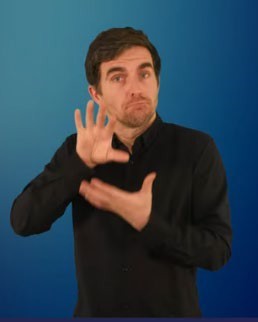
- Brytyjski język migowy (wideo)